01
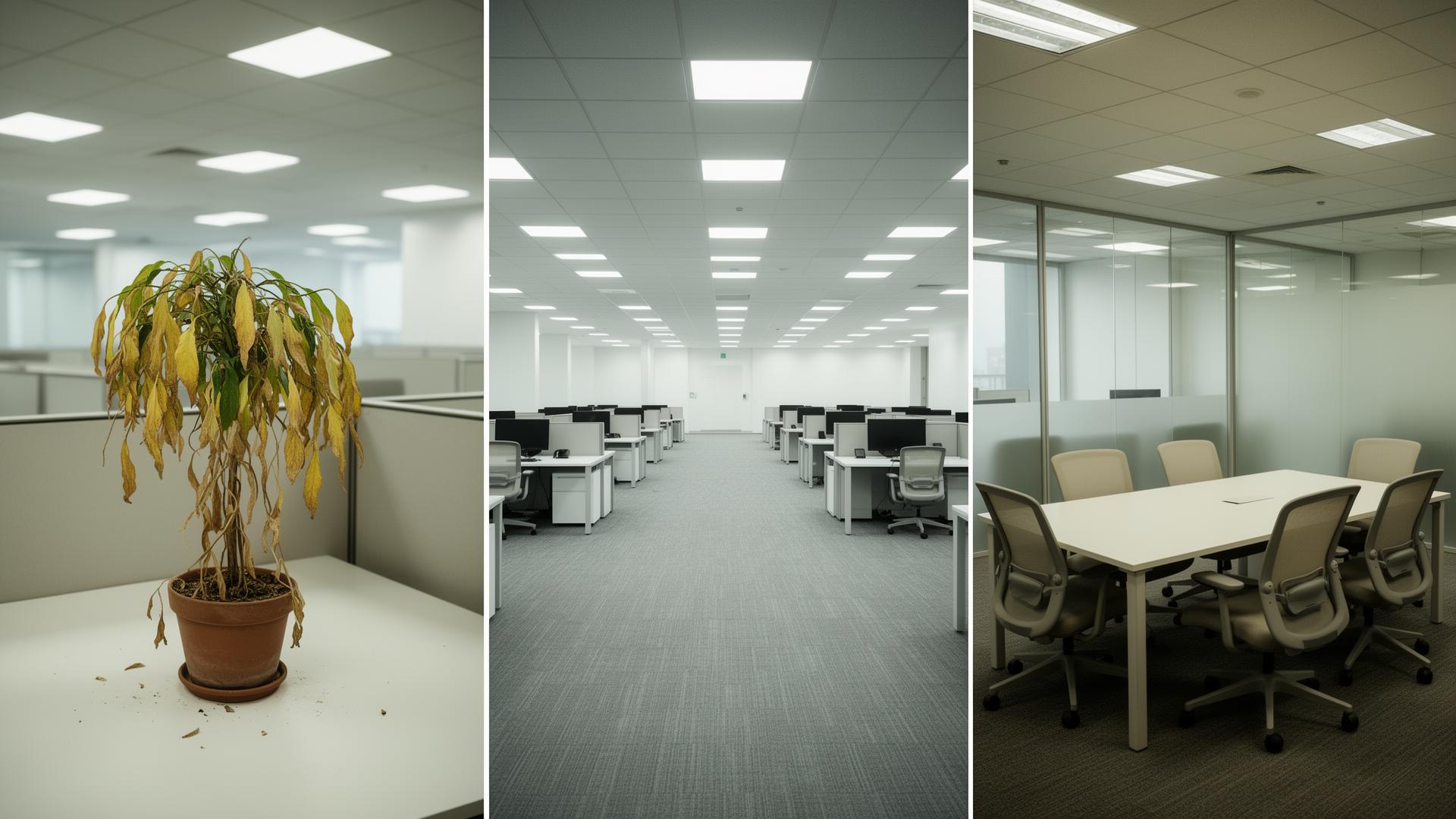
Plants that die
Without daylight, irrigation, and species fit, biophilic installs become a maintenance liability within a year.
For workplaces, institutions & wellness operators
Design interiors that lower stress, raise focus, & turn ESG & wellbeing language into a space people actually feel.
The problem
A wall of pothos and three planters does not change how a building feels, performs, or reports. Done well, biophilic design is a discipline; done poorly, it is an invoice that quietly dies.
Without daylight, irrigation, and species fit, biophilic installs become a maintenance liability within a year.
HR and ESG narratives written around the space outrun what the space can actually demonstrate.
Late-stage biophilic add-ons collide with services, lighting, and structure — and lose the fight.
Without daylight, irrigation, and species fit, biophilic installs become a maintenance liability within a year.
HR and ESG narratives written around the space outrun what the space can actually demonstrate.
Late-stage biophilic add-ons collide with services, lighting, and structure — and lose the fight.
What is actually at stake
It tells employees, clients, and auditors that the wellbeing narrative was decoration. That is harder to walk back than to get right the first time.
Workplace & HR leads
Return-to-office strategy depends on the room actually feeling worth the commute.
ESG & sustainability leads
Biophilic claims need to map to recognised frameworks (WELL, Living Building, biophilic design patterns) — not to a render.
Wellness & institutional operators
Spaces meant to support recovery, learning, or care need to perform on light, air, acoustics, and biology together.
The R3 approach
We bring ecology, horticulture, and biophilic design patterns into the room — coordinated with architecture, services, and operations from day one.
How it works
Every engagement moves through the same structured sequence calibrated to the site, the system, and the people who steward it.
Read the system
Ecological assessments and baseline surveys — site, species, soil, hydrology, and regulatory frame mapped before a line is drawn.
Plan the long arc
Restoration planning and compliance strategy built with licensed engineers, architects, and ecologists.
Deliver with care
Coordinated execution and fieldwork with specialist crews, clear milestones, and compliance throughout.
ADAPT OVER TIME
Ongoing reporting and adaptive stewardship — ecological and social metrics feed a loop so outcomes hold up over decades.
What this looks like
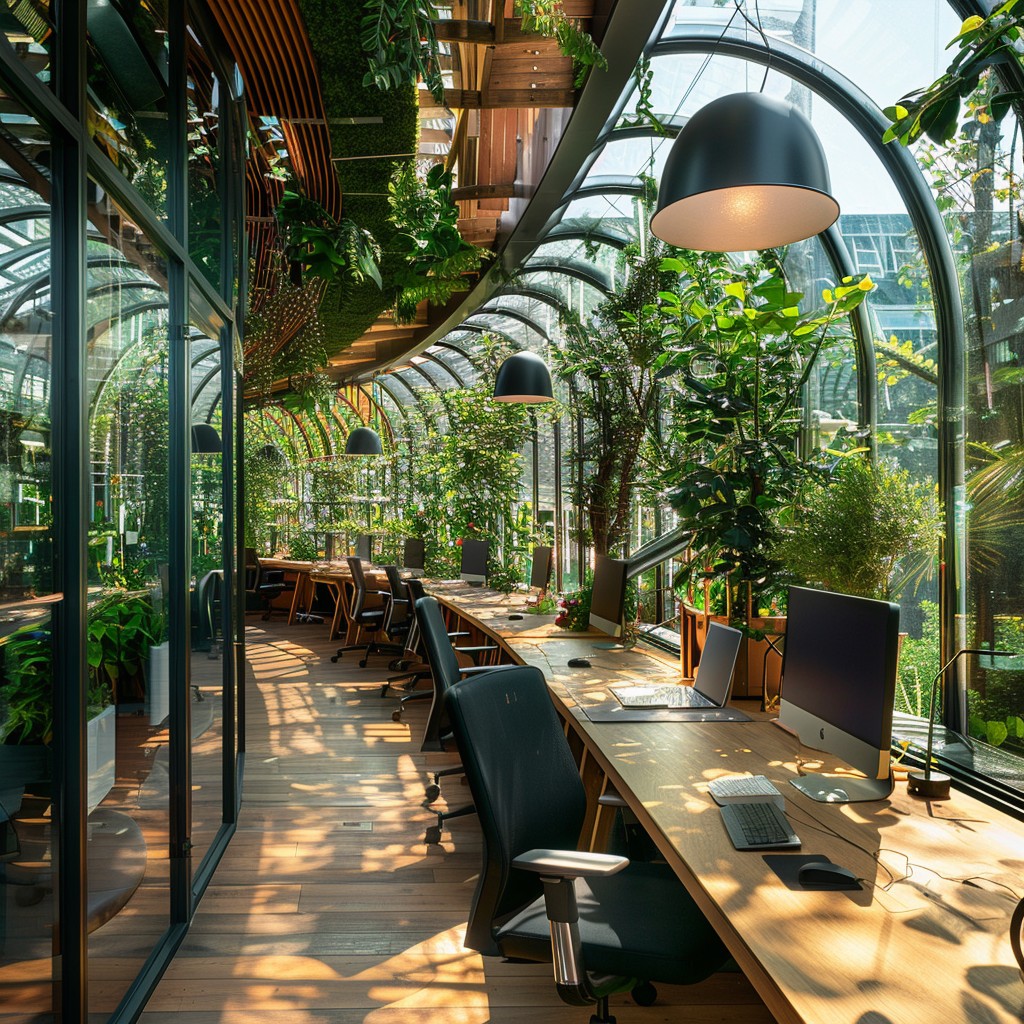
Biophilic environments designed by R3 deliver against wellbeing, ESG, and brand narrative on the same floor plate.
Productivity uplift in biophilic workspaces (Human Spaces, 2015)
Reduction in reported stress in biophilic environments
Of life spent indoors — the surface biophilic design has to work on (EPA, 2021)
Before / after
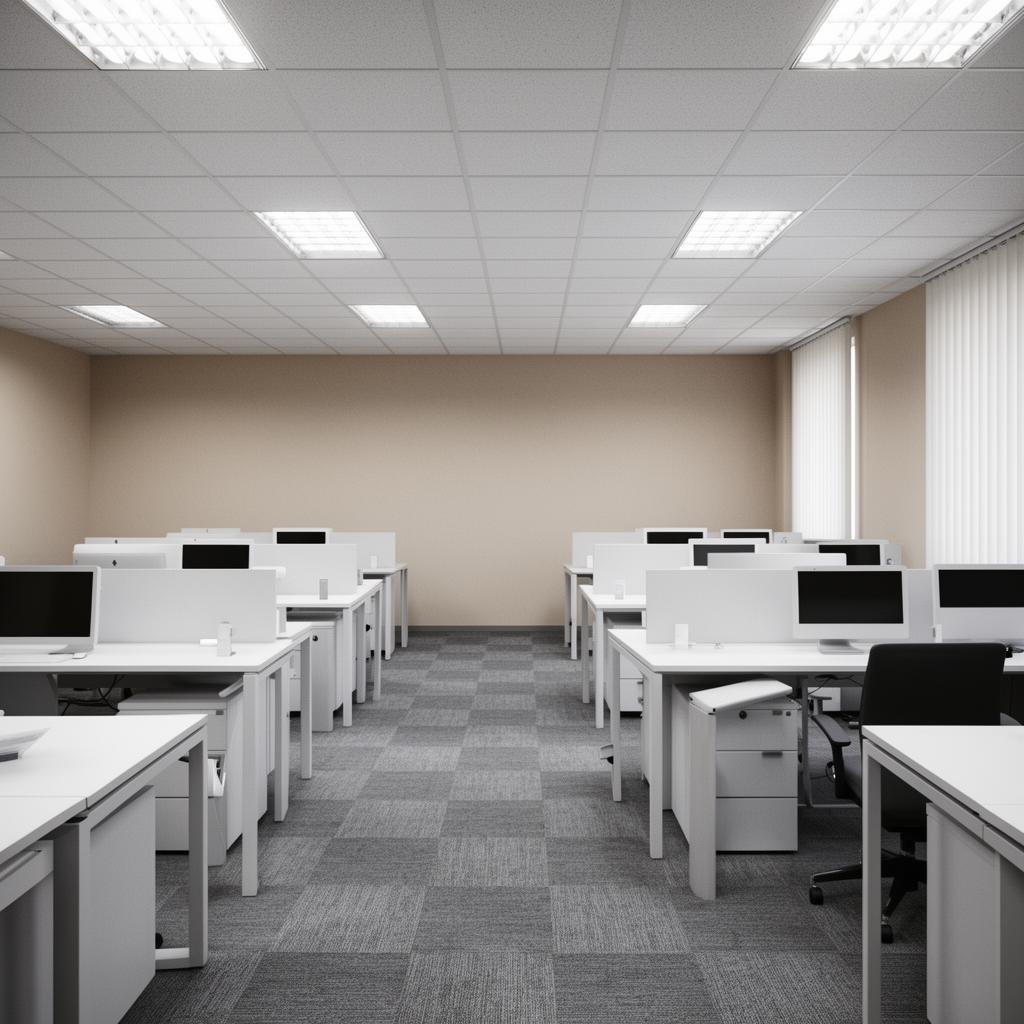
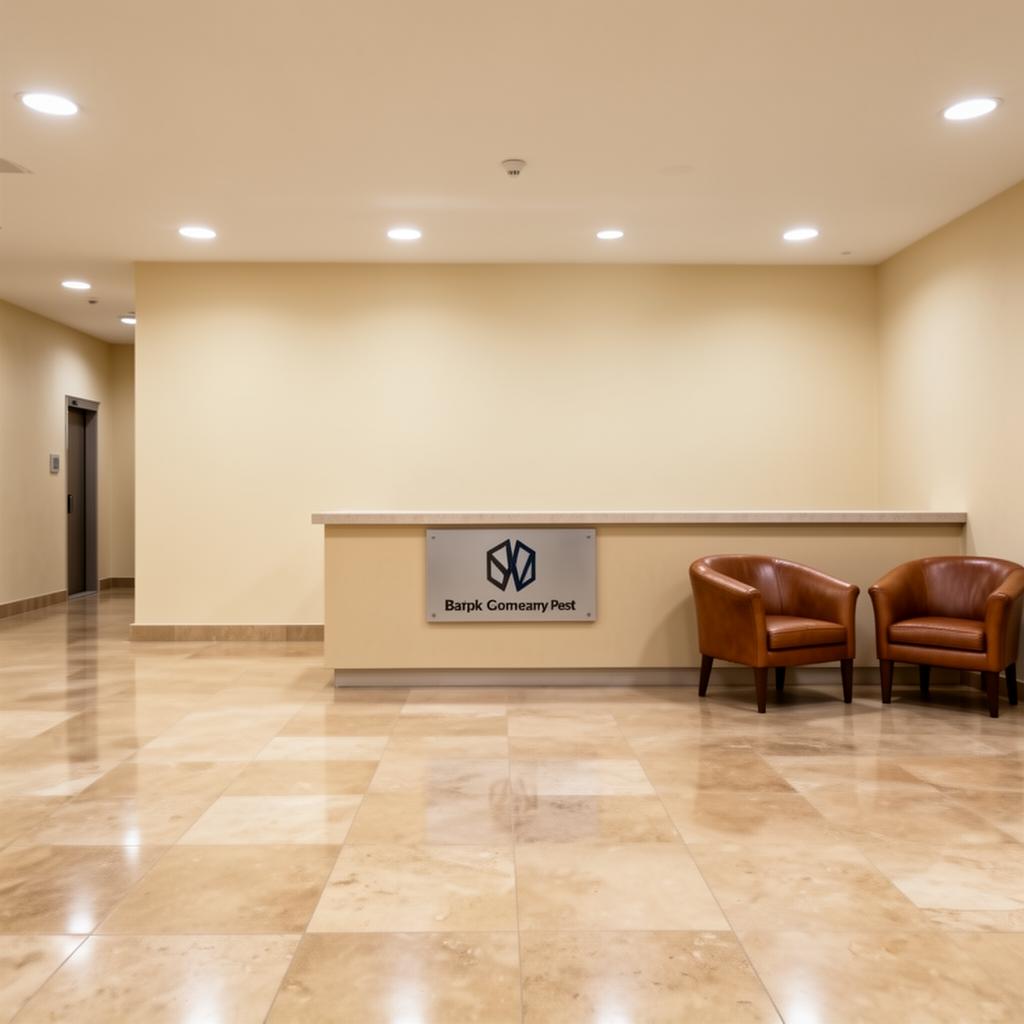
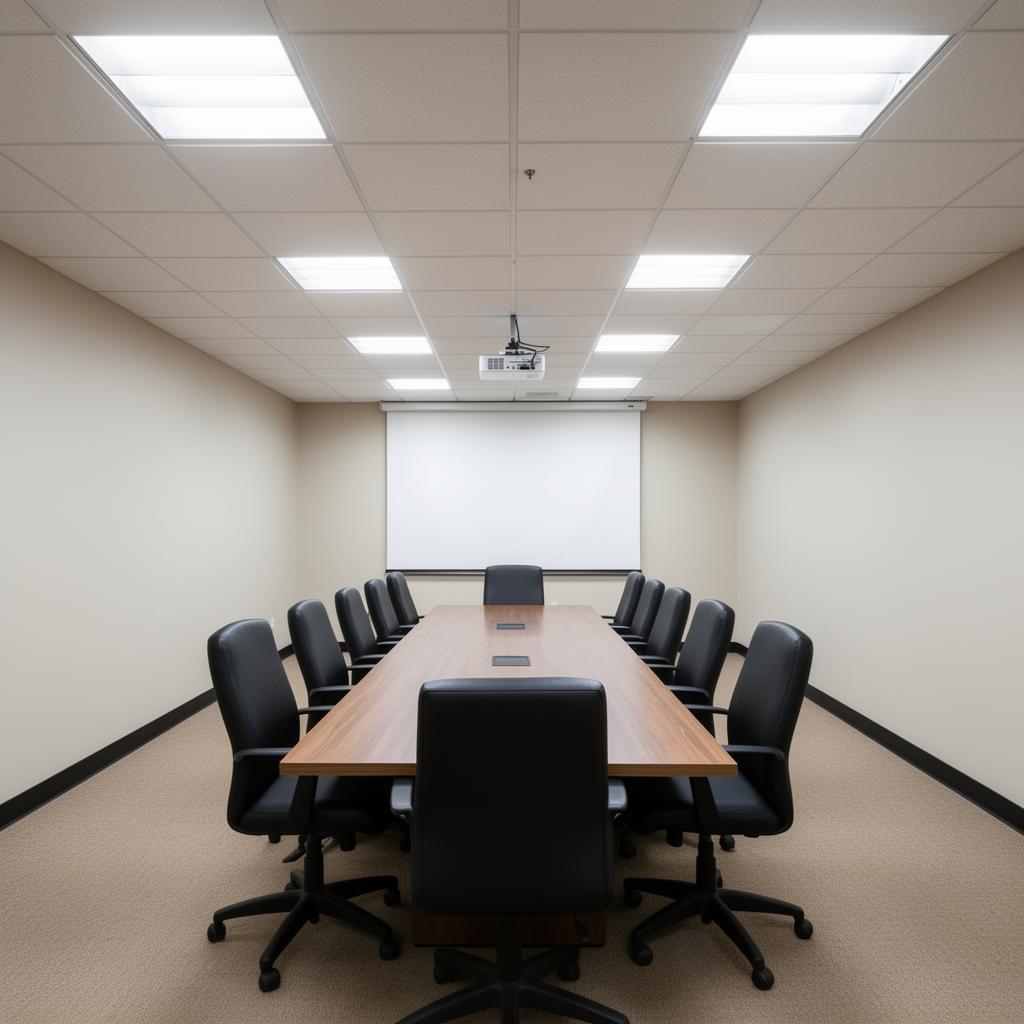
Same floor plate, same brief — what changes is whether the room feels alive. Four representative arcs across the interiors we work with most.
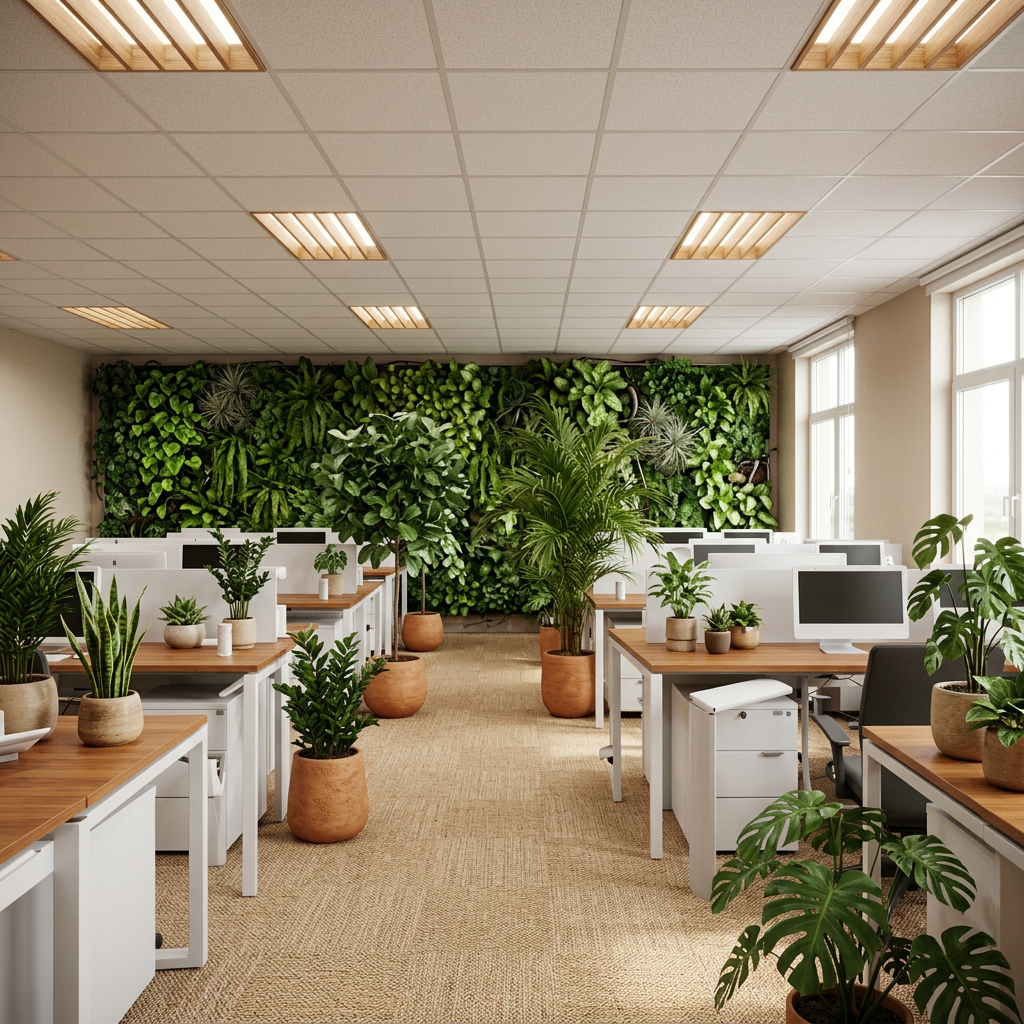 BeforeAfter
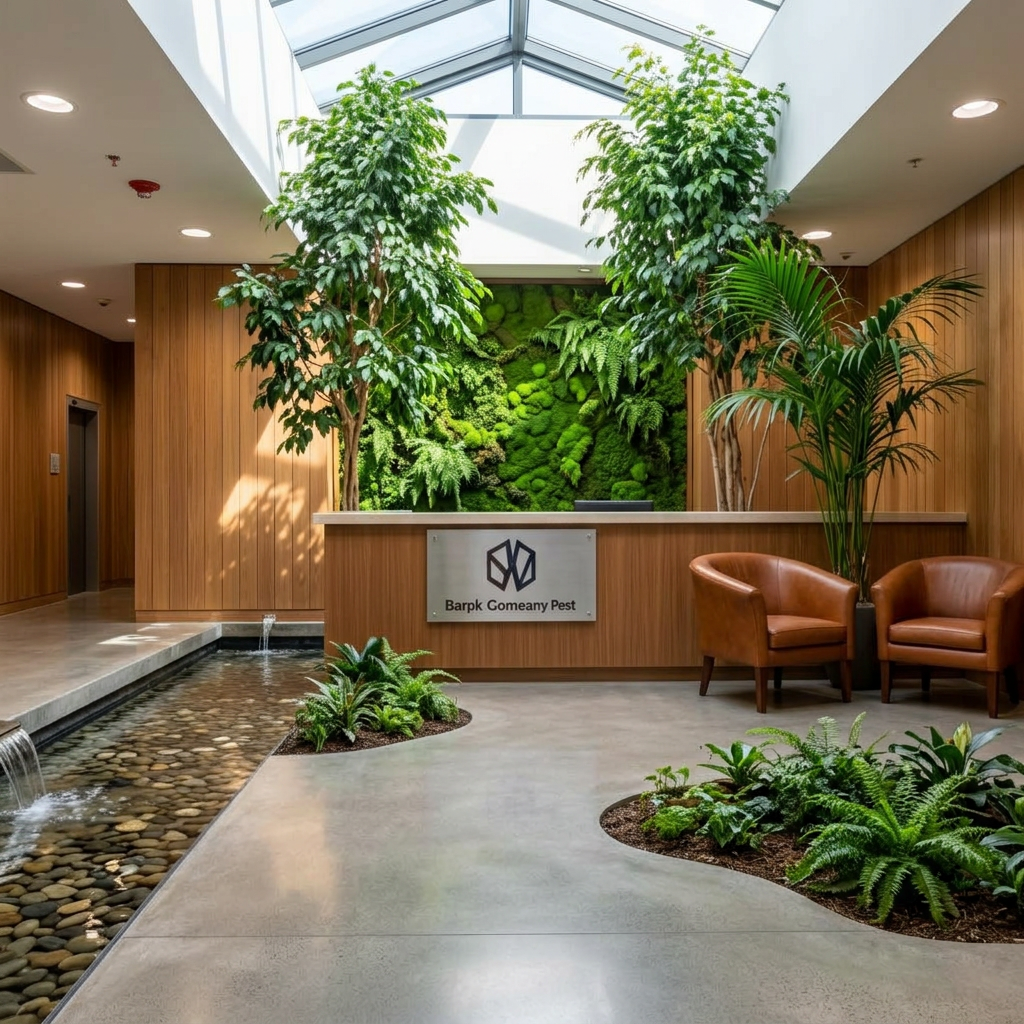 BeforeAfter
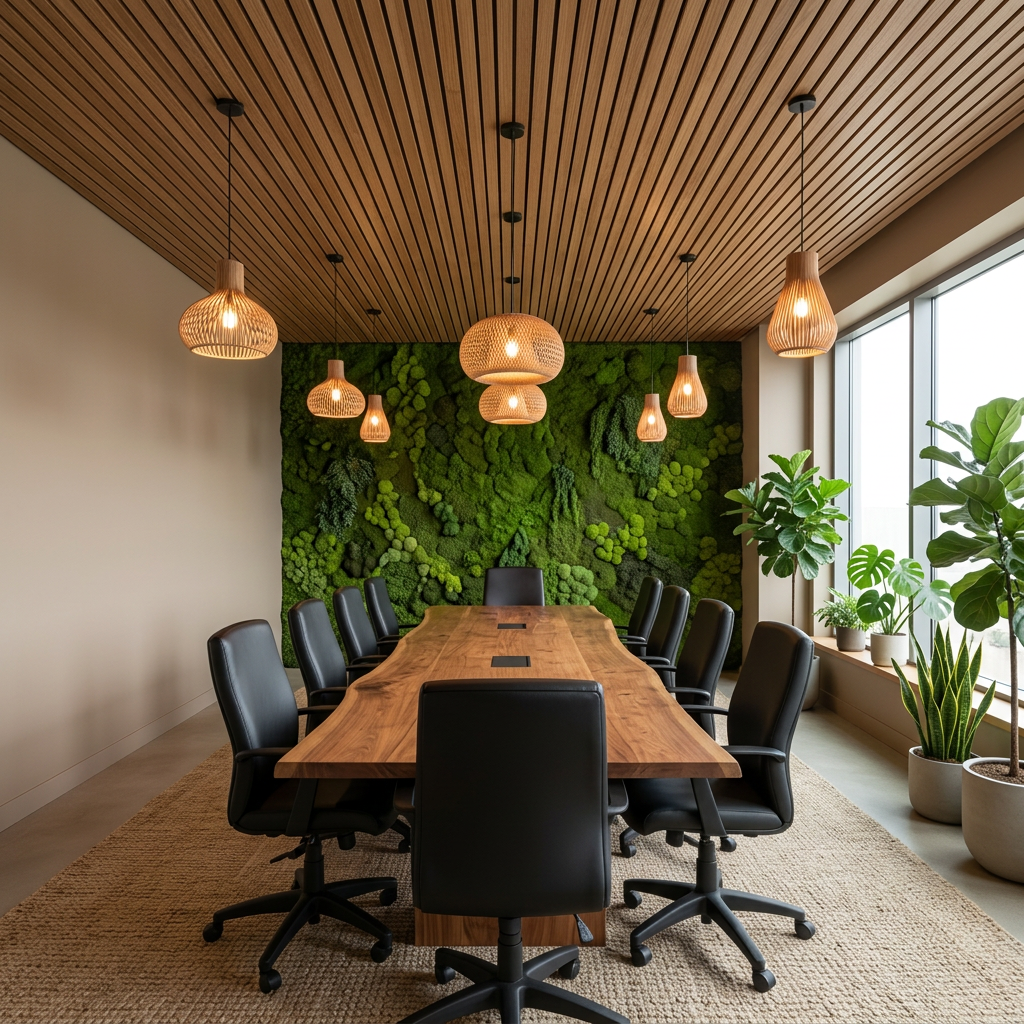 BeforeAfter
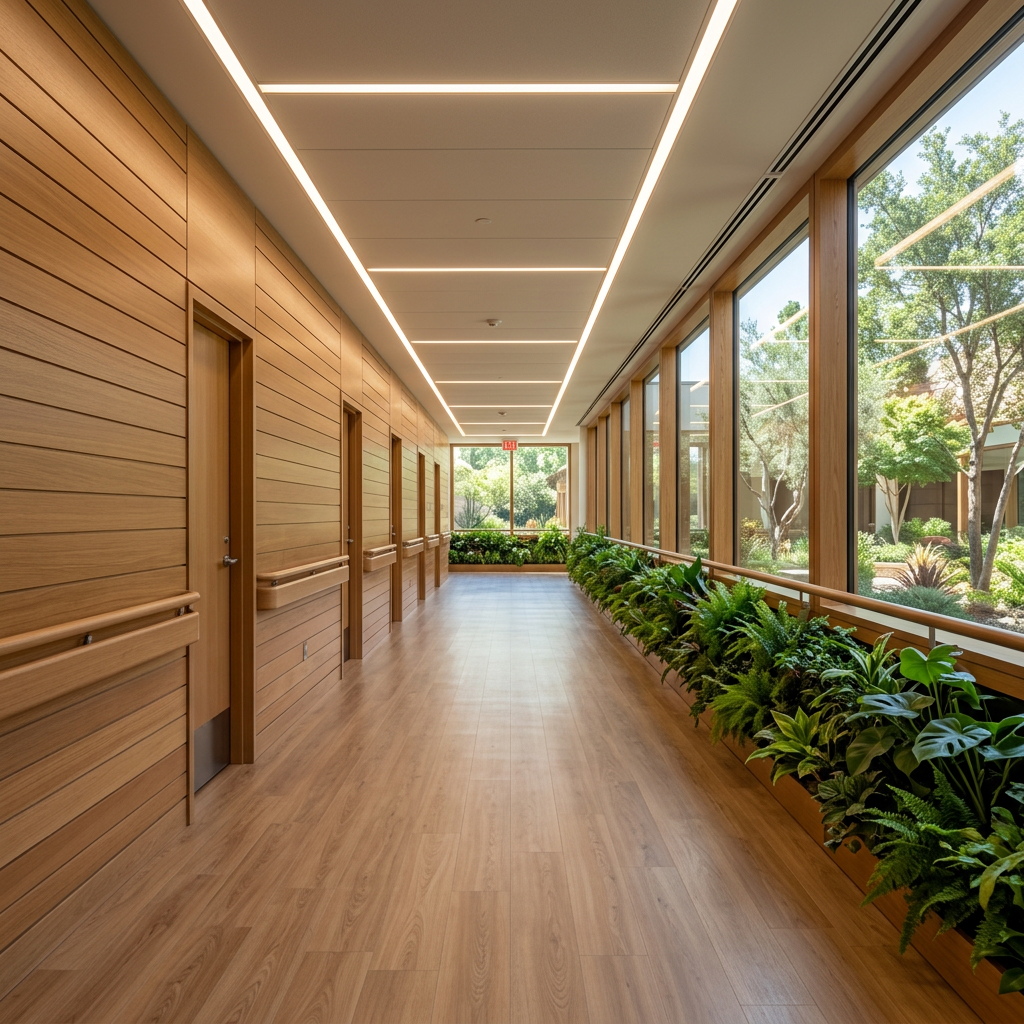 BeforeAfter
Sample outputs
Each biophilic interior engagement is documented end-to-end — from design intent through species selection through facilities handover.
Spatial layout, material palette, and sensory design elements grounded in biophilic patterns.
Species selection, lighting compatibility, irrigation logic, and maintenance protocol.
Daylight optimisation, air-quality strategy, and soundscaping coordinated with the planting.
Modelled links to cognitive function, productivity, and stress reduction.
Mapped against ESG, HR, and organisational performance indicators.
Cost estimates, phasing, and sourcing guidance ready for procurement.
Why it matters
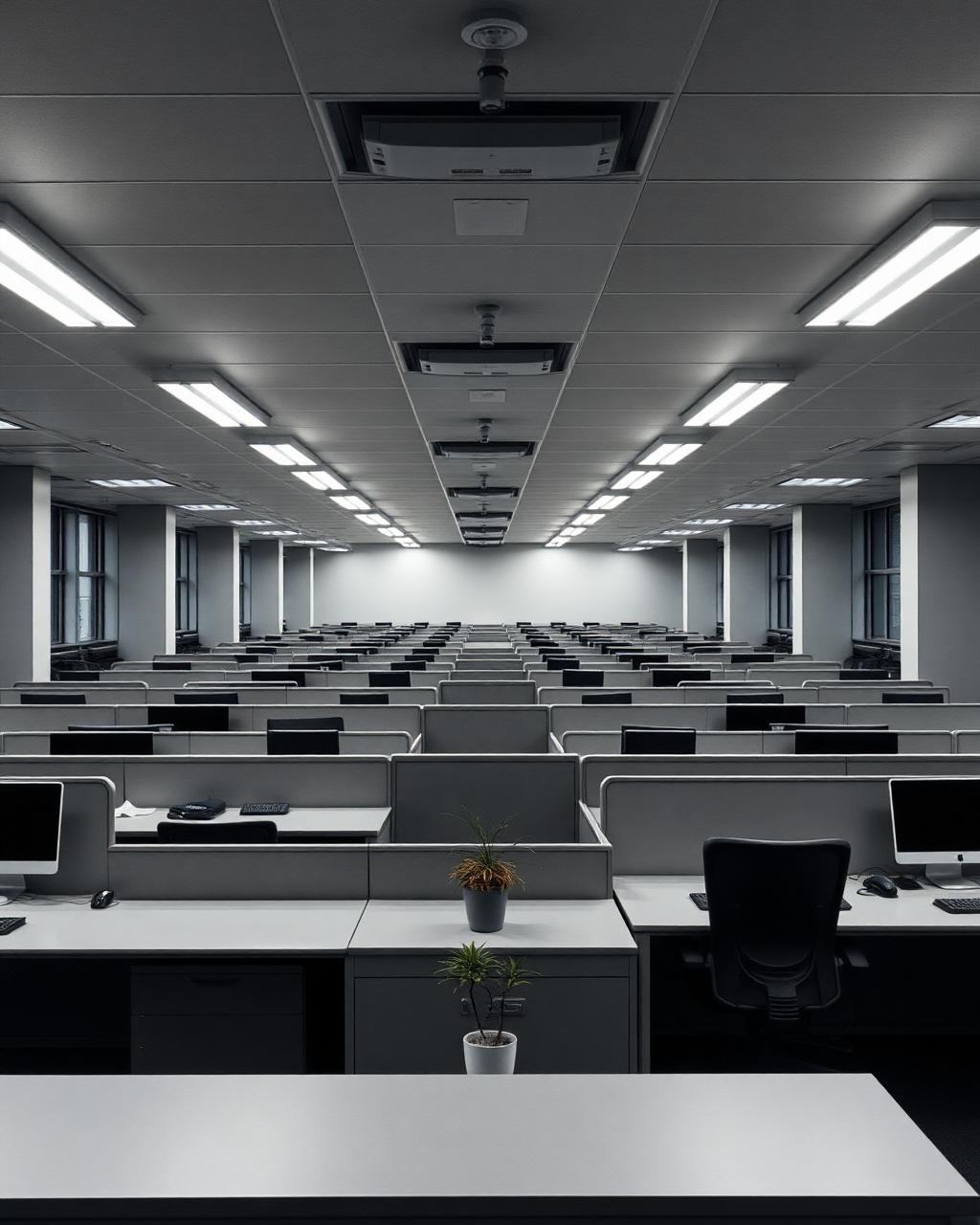
Humans now spend over 90% of their time indoors (EPA, 2021), yet most interior environments are divorced from the natural systems we evolved with — driving poor air quality, stress, cognitive fatigue, and burnout. Biophilic design provides a measurable path back.
Ecologically, it brings biodiversity indoors, increases oxygenation, and reduces airborne pollutants. Psychologically, it improves mood, concentration, and emotional regulation by activating our innate response to natural stimuli (Wilson, 1984).
Organisationally, biophilic environments reduce absenteeism and improve performance — studies show productivity gains of 8–11% and stress reduction up to 15% in biophilic workspaces (Human Spaces, 2015). In a post-pandemic era of hybrid work and health-conscious talent, biophilic interiors are a strategic investment in human capital, not a finish.
Case example
Australia's largest health insurer, designed by Hassell with biophilic principles throughout.
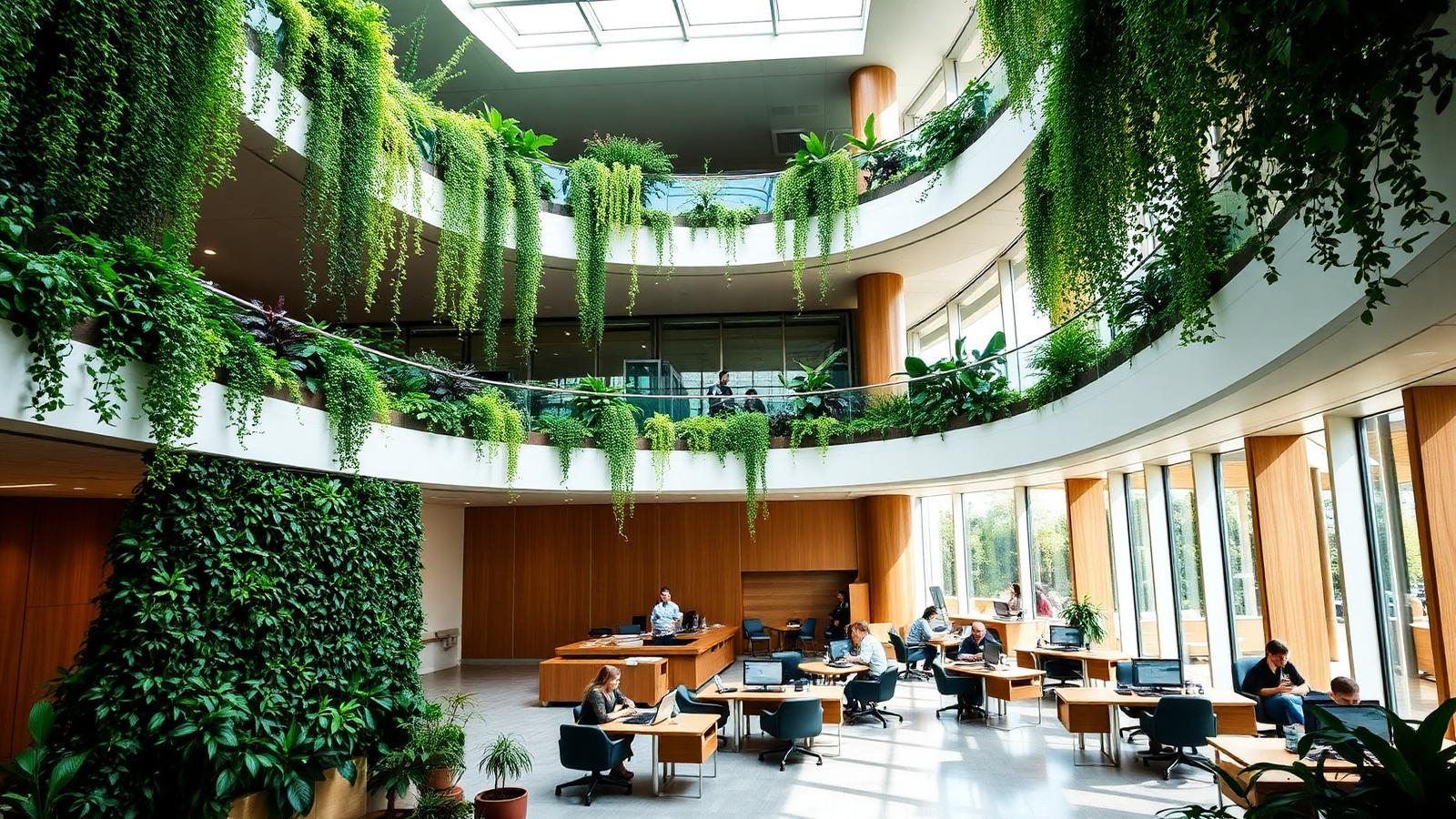
Medibank's Melbourne headquarters was conceived around employee wellbeing — integrating abundant indoor plantings to improve air quality, large windows and open volumes to maximise daylight, 26 different work-setting types from quiet zones to Wi-Fi-enabled balconies, and circadian lighting systems tuned to natural human biorhythms.
Within four months of moving in, 79% of employees reported increased collaboration with colleagues and 70% reported feeling healthier — a measurable demonstration that thoughtful biophilic integration translates directly into wellbeing and organisational performance.
Reported increased collaboration with colleagues
Reported feeling healthier in the new environment
Distinct work-setting types across the floor plate
We will tell you honestly what the room can support — and design only what it can sustain.