01
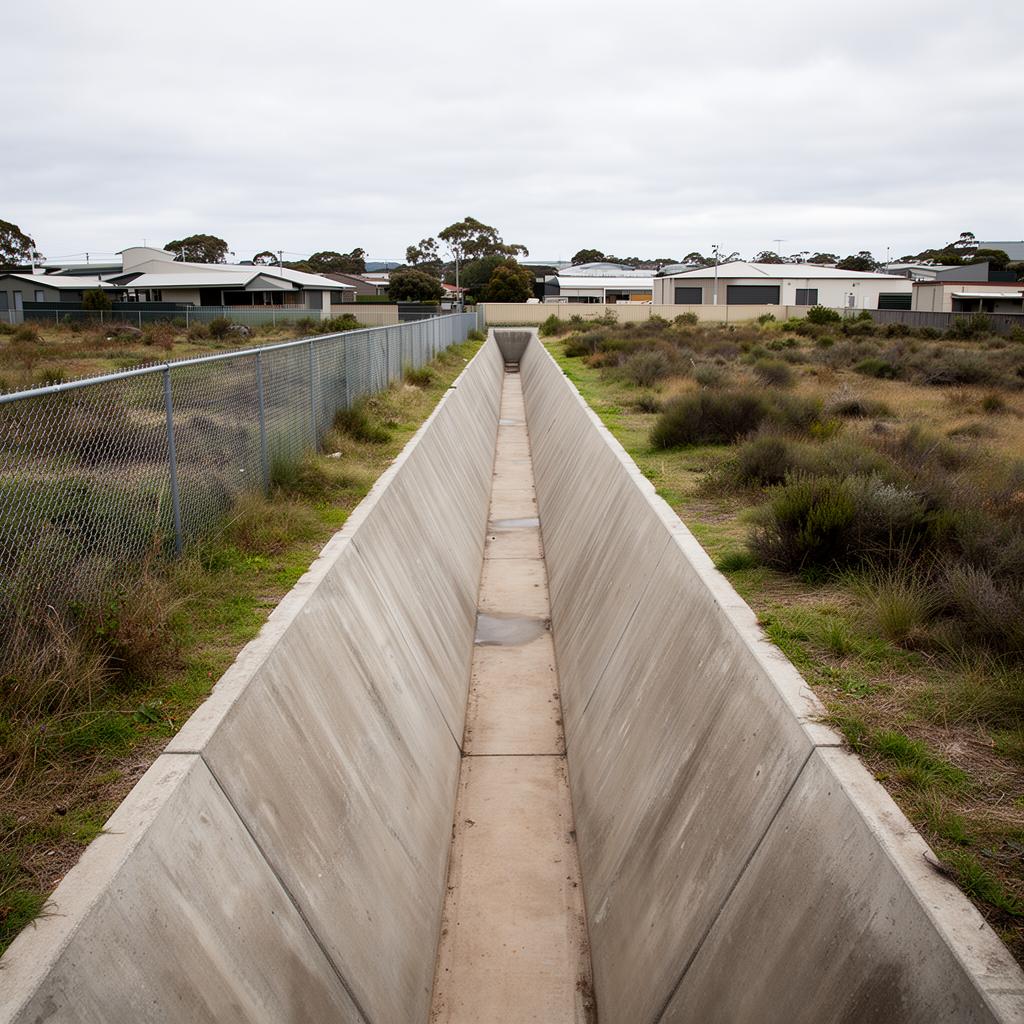
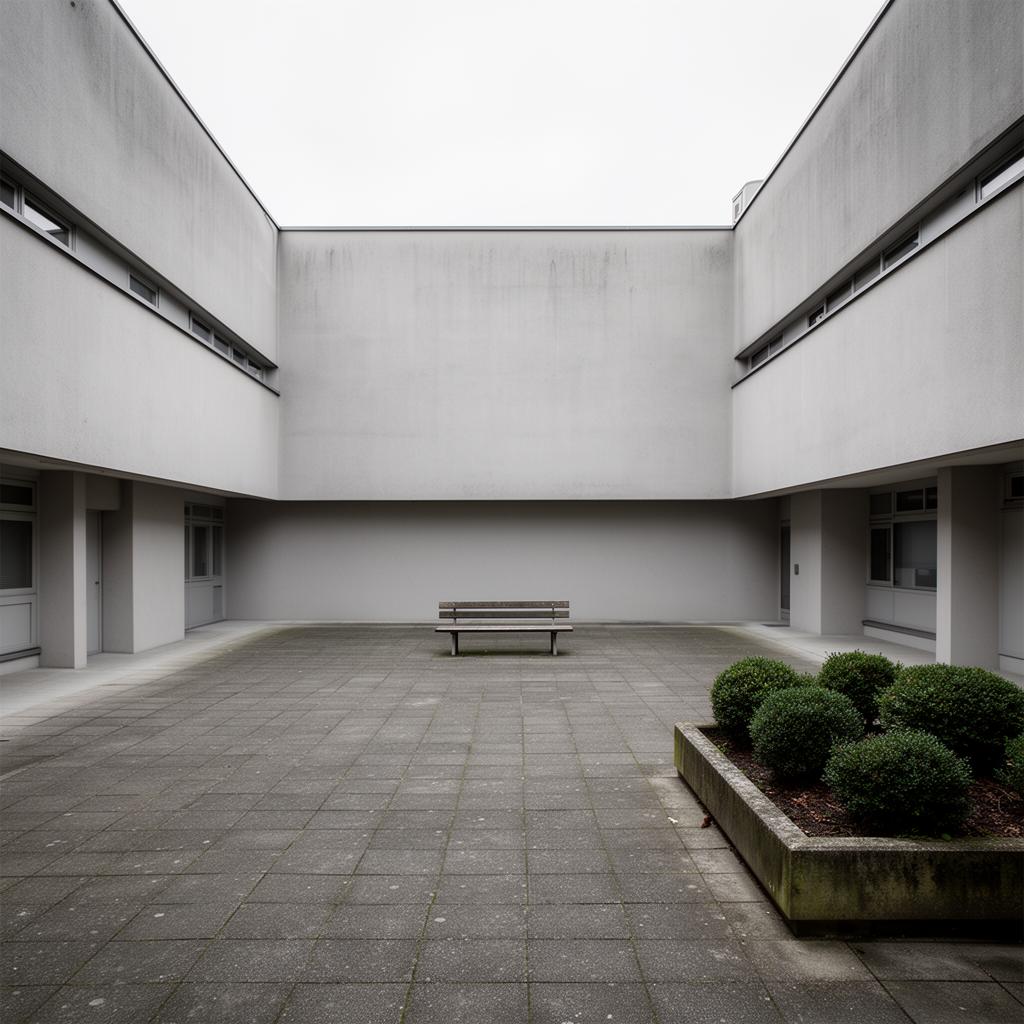
Approval friction
Disjointed ecological narratives in a planning submission read as box-ticking, not as a coherent project.
For landowners, developers & institutions
Design land, water, & operations as one regenerative system, & turn ecology into long-term asset value.
The problem
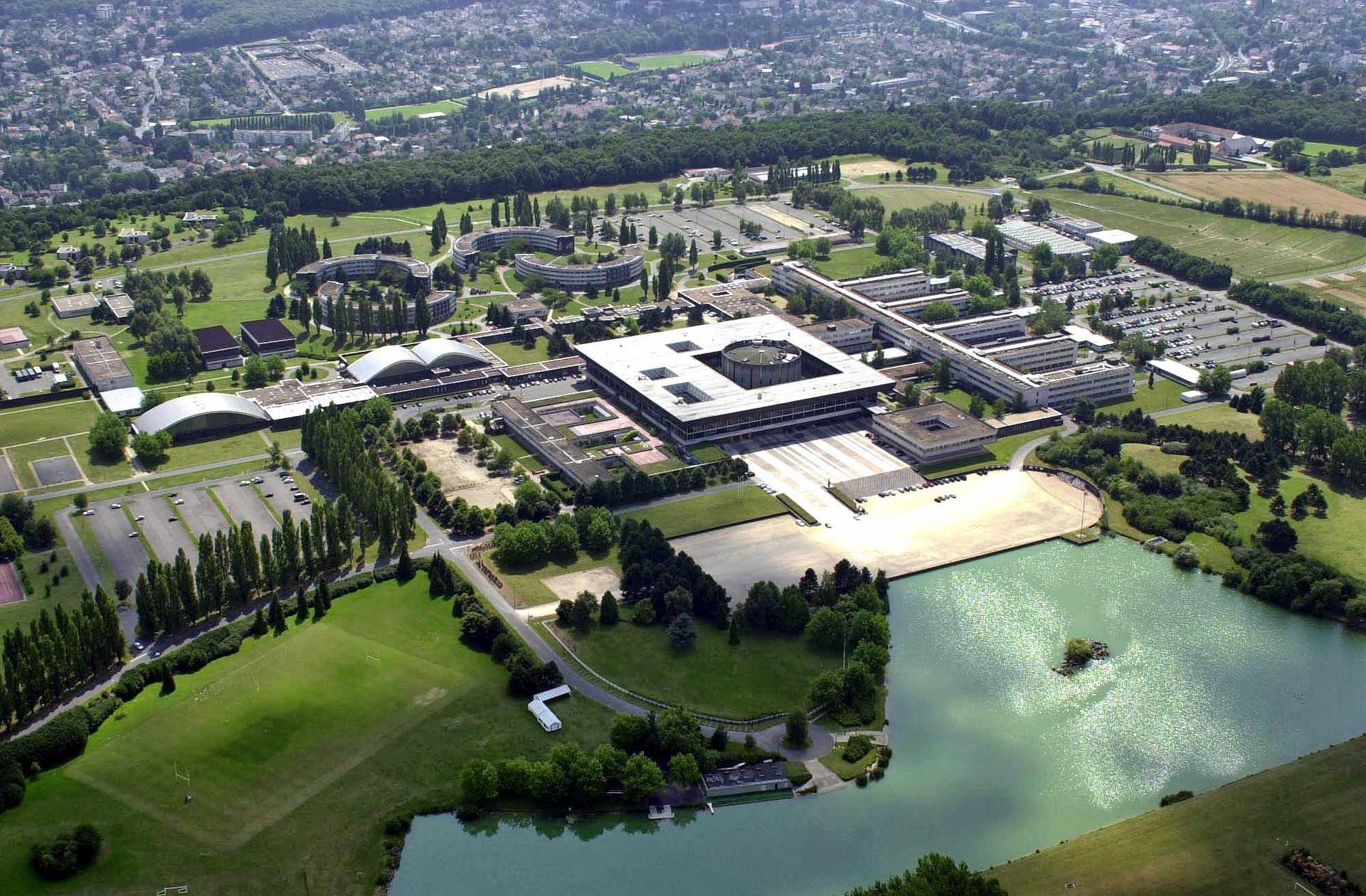
Landscape, hydrology, energy, and operations are still being designed by separate consultants — and the result is brittle systems that fail their first stress test.
Disjointed ecological narratives in a planning submission read as box-ticking, not as a coherent project.
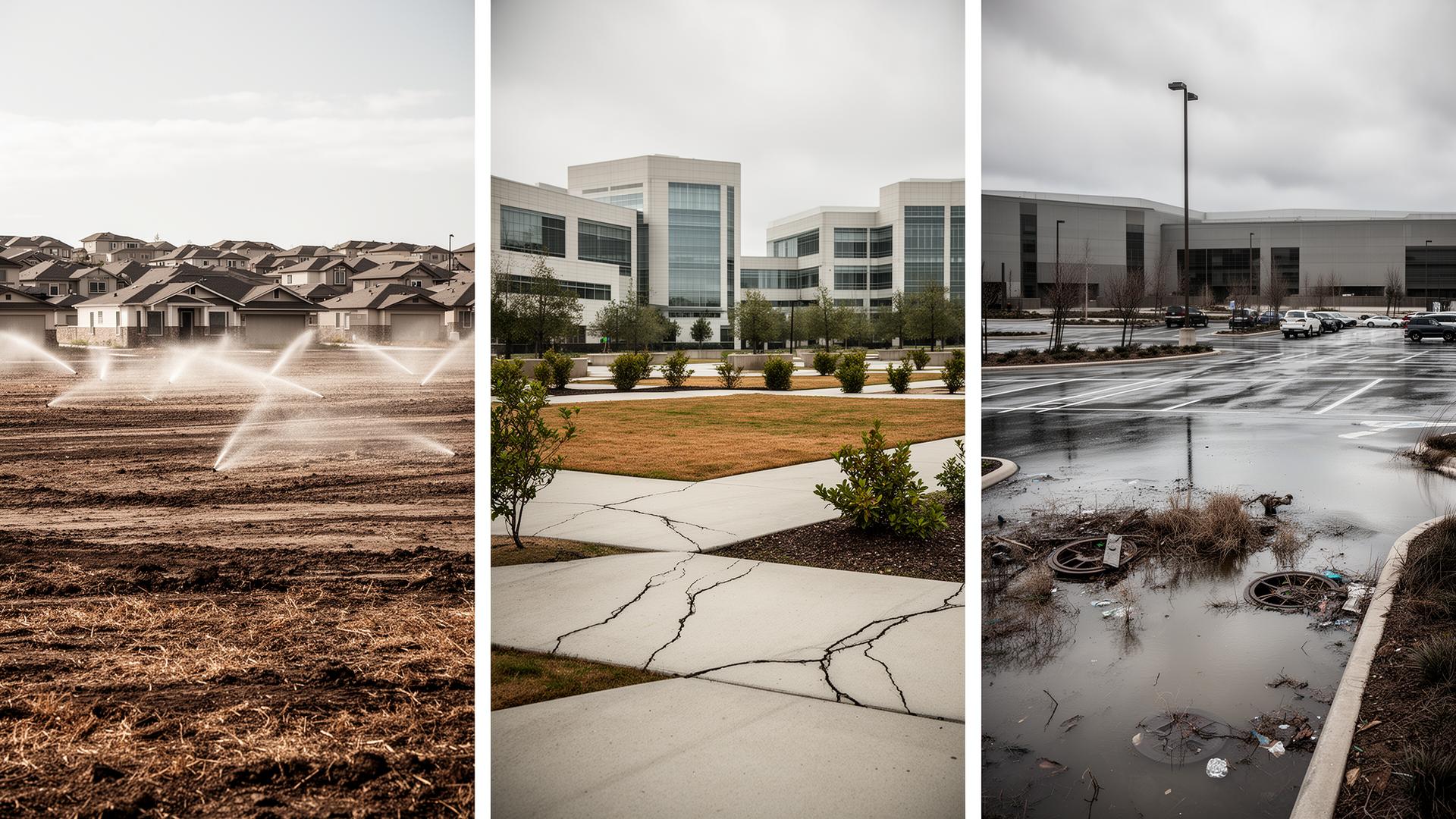
Irrigation, drainage, energy, and maintenance budgets stay high forever because the design never closed the loops.
Investors increasingly underwrite climate and nature risk. A site without a regenerative thesis trades at a discount.
Disjointed ecological narratives in a planning submission read as box-ticking, not as a coherent project.
Irrigation, drainage, energy, and maintenance budgets stay high forever because the design never closed the loops.
Investors increasingly underwrite climate and nature risk. A site without a regenerative thesis trades at a discount.
What is actually at stake
Every season of overspending on water, every avoidable amenity replacement, every conditional approval signals the same thing: the system is fighting itself.
Developers
Ecological add-ons bolted onto an otherwise conventional plan rarely survive value engineering.
Landowners
Stewardship costs accumulate without an underlying thesis for what the land is becoming.
Institutions
Sustainability strategy lives in a report, not in the way the estate actually works.
The R3 approach
We treat the site as a living system — and align hydrology, soils, planting, materials, and operations toward a single regenerative thesis.
How it works
Every engagement moves through the same structured sequence calibrated to the site, the system, and the people who steward it.
Read the system
Ecological assessments and baseline surveys — site, species, soil, hydrology, and regulatory frame mapped before a line is drawn.
Plan the long arc
Restoration planning and compliance strategy built with licensed engineers, architects, and ecologists.
Deliver with care
Coordinated execution and fieldwork with specialist crews, clear milestones, and compliance throughout.
ADAPT OVER TIME
Ongoing reporting and adaptive stewardship — ecological and social metrics feed a loop so outcomes hold up over decades.
What this looks like
Regenerative design lowers long-run cost, raises valuation, and gives the project a story regulators and capital can read.
Lower long-run operating cost from closed water, nutrient & maintenance loops
Uplift in asset value tied to a credible regenerative thesis
Faster approval pathways when ESG & ecology narratives are aligned
Before / after
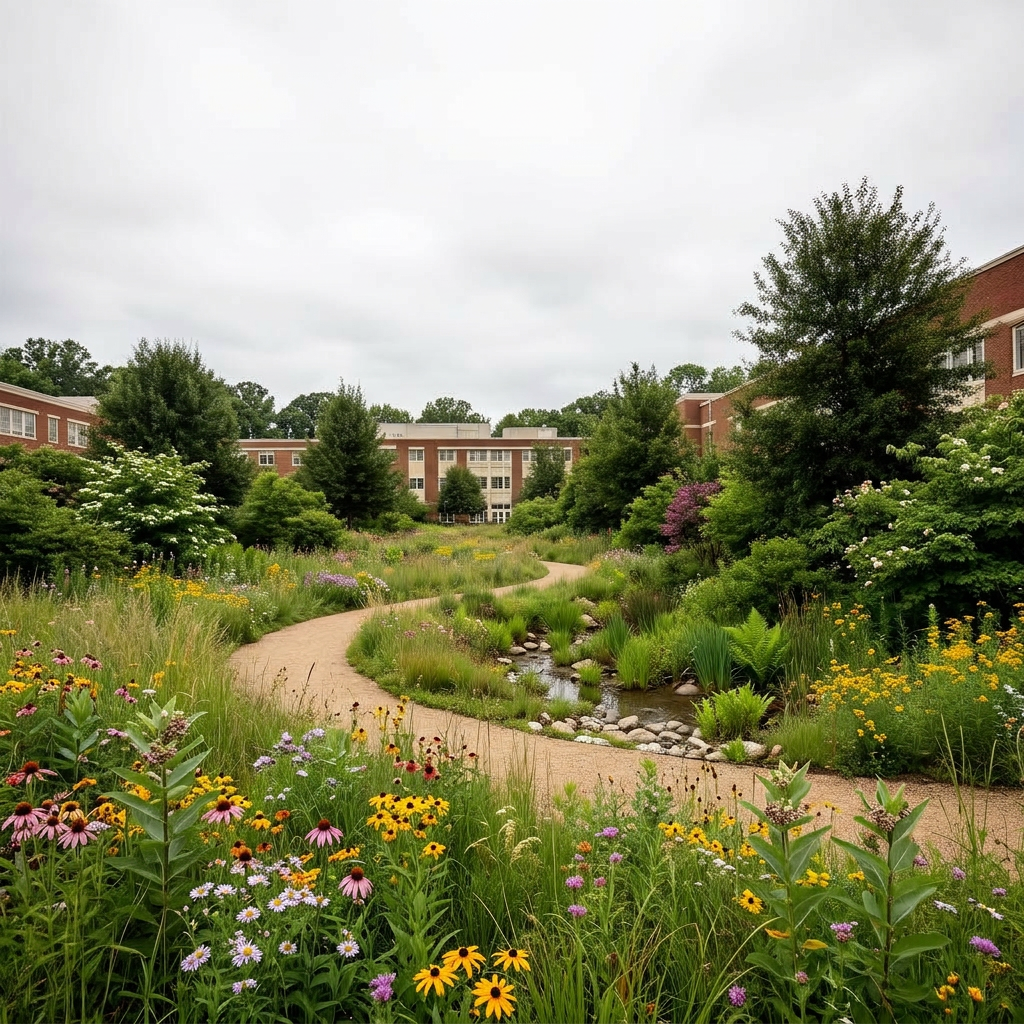
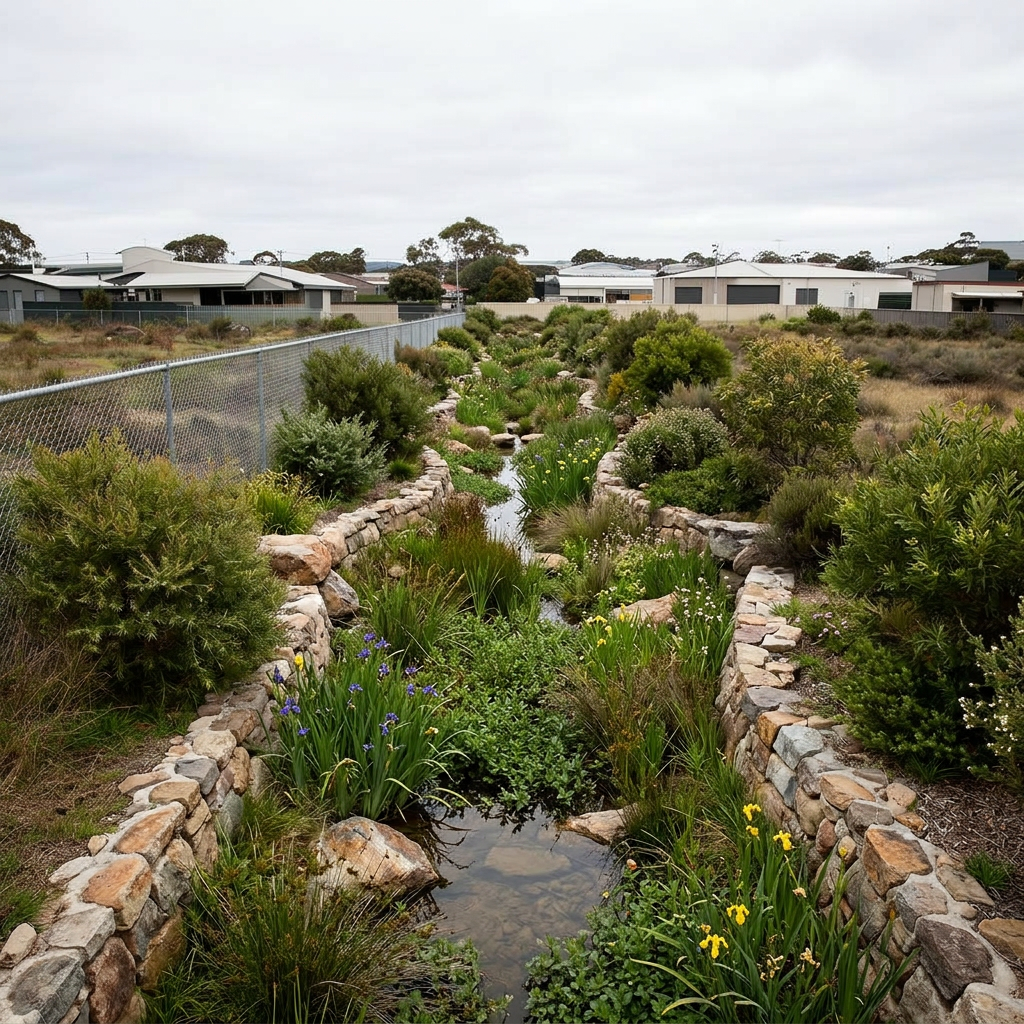
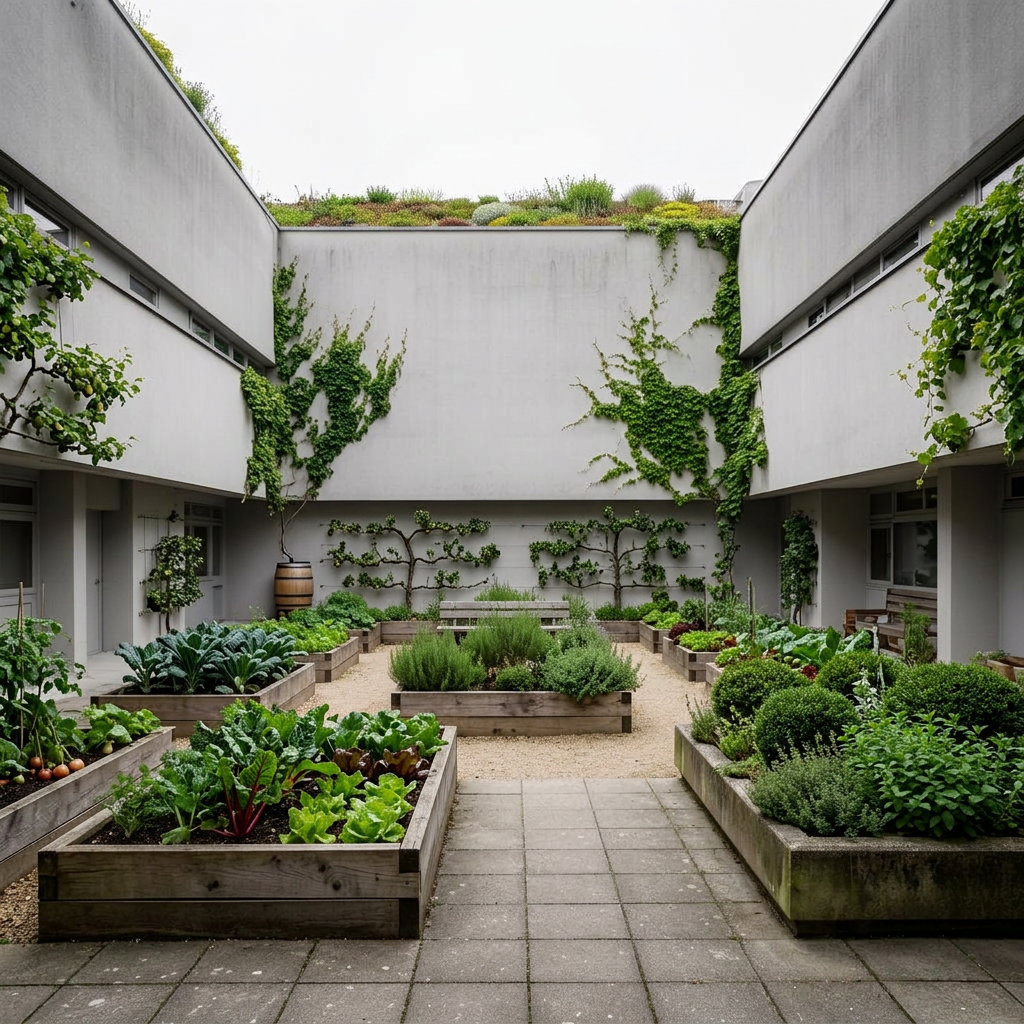
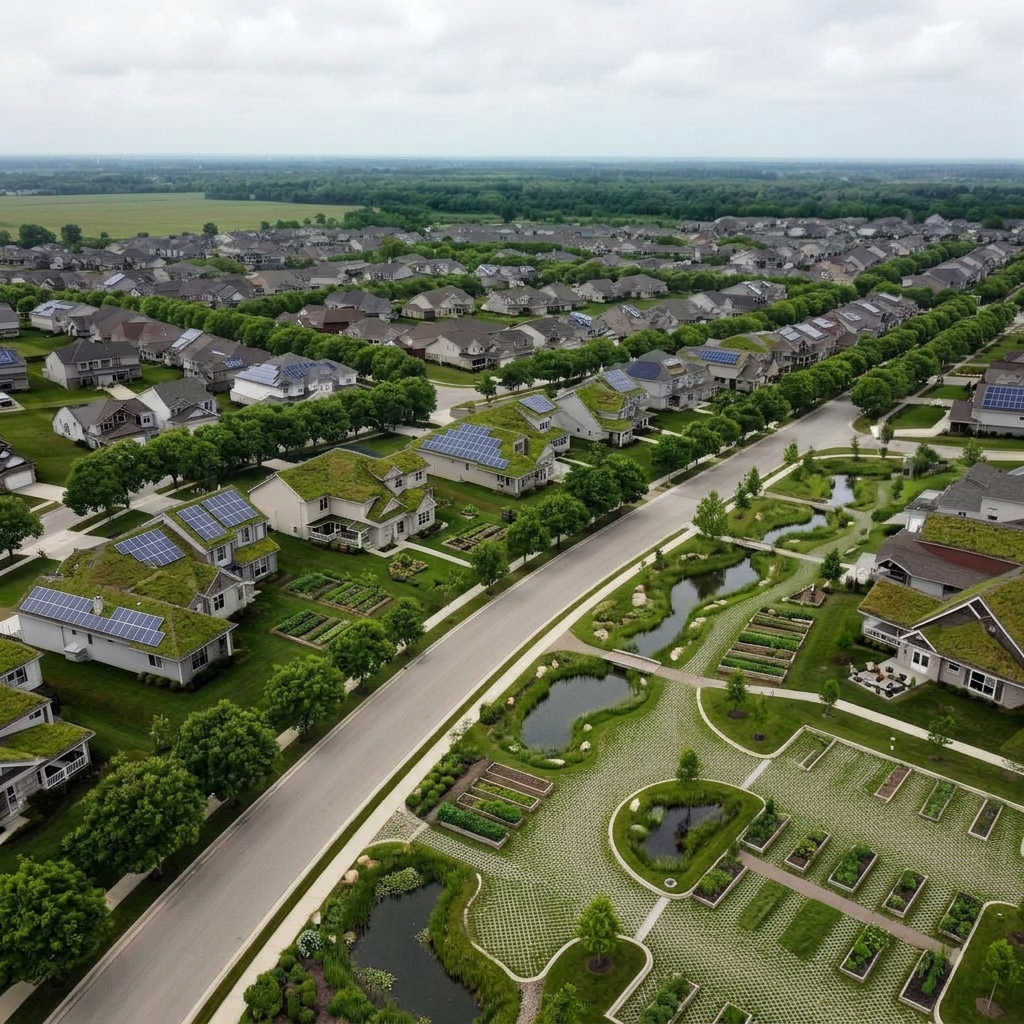
Same framing, same parcel — what changes is the system underneath. Four representative arcs across the sites and audiences we work with most.
 BeforeAfter
 BeforeAfter
 BeforeAfter
 BeforeAfter
Sample outputs
Each regenerative-systems engagement produces strategy artefacts you can use in approvals, ESG reporting, and board-level decision-making.
Comprehensive map of ecological, social, material, and institutional assets across the site or portfolio.
Phased implementation logic with clear milestones, leverage points, and feedback loops.
Analysis of roles, power dynamics, and participation structures across the project life-cycle.
Custom metrics for resilience, circularity, inclusivity, and ecological return.
Alignment of ecological outcomes with operational goals and existing organisational KPIs.
Mapped subsidies, ESG frameworks, and compliance pathways relevant to the project.
Why it matters

Most development and planning models ignore the deeper interactions between ecosystems, institutions, and communities — and produce infrastructure that is brittle, resource-intensive, and misaligned with the social and ecological context it operates in.
Regenerative design embeds feedback, circularity, and ecological coherence into land and organisational systems. Ecologically, it reduces inputs and supports biodiversity through nature-based infrastructure. Socially, it creates space for participation and equitable resource distribution.
Economically, regenerative systems reduce long-term maintenance costs, align with ESG goals, and increase eligibility for public-private funding and green-financing mechanisms — turning the sustainability strategy from a report into how the asset actually works.
Case study
Macdonald Campus, Québec.
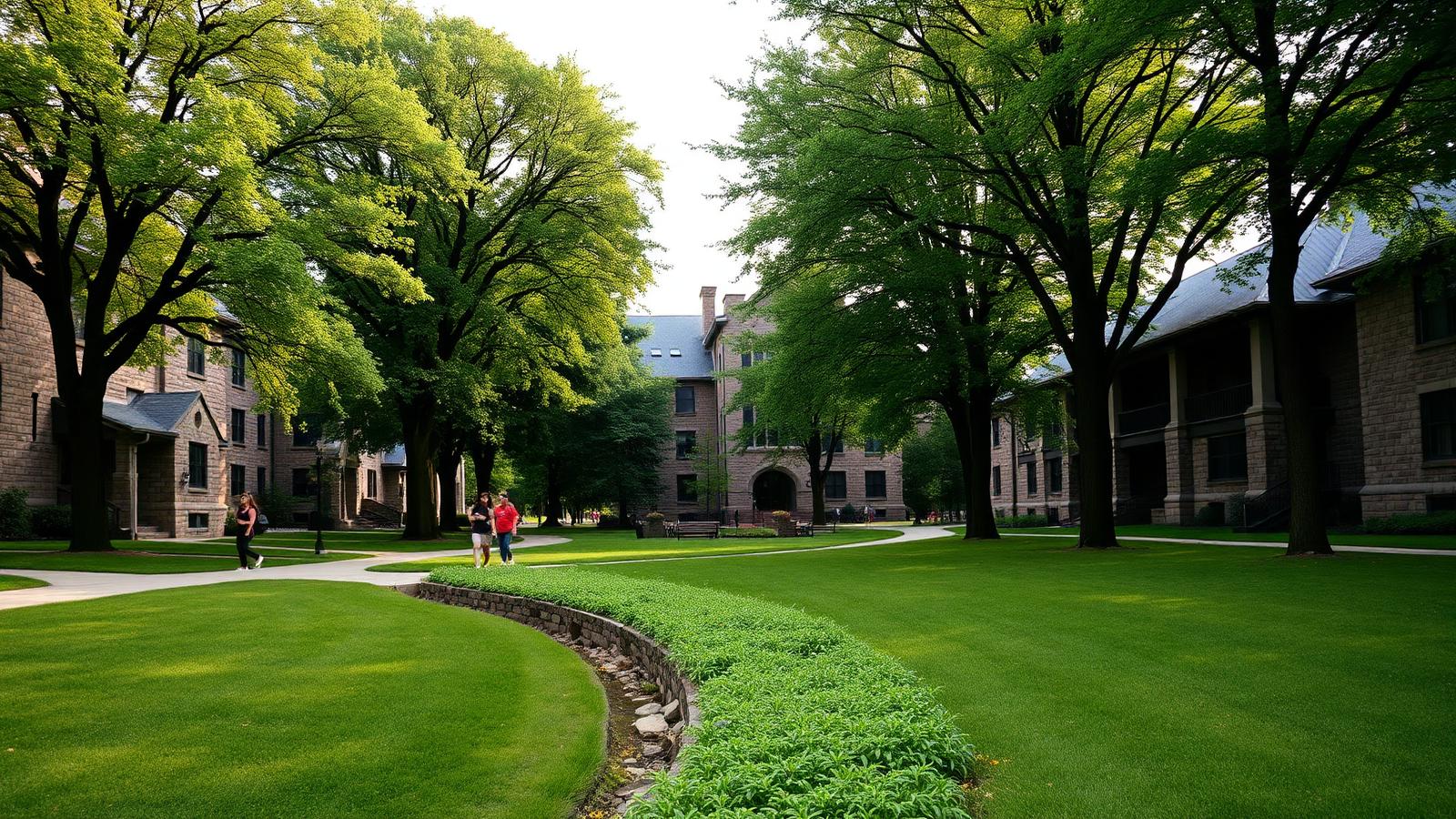
At McGill's Macdonald Campus, a pilot regenerative-systems strategy reimagined stormwater infrastructure, food production, and community access through a systems-ecology lens.
By integrating perennial agriculture, bioswales, and student co-management models, the project demonstrated reduced runoff, improved community engagement, and enhanced teaching capacity — positioning the institution to access new sustainability grants and develop replicable climate-resilience models across other campuses.
We will read the system before we recommend an intervention. Start with a scoping conversation.