01
Biodiversity loss disrupts everything
Declining species and habitat threaten water quality, climate resilience, and public health long before the regulator arrives.
For municipalities, developers & ESG leads
Restore degraded land into measurable ecological assets — without missing a permit, deadline, or biodiversity target.
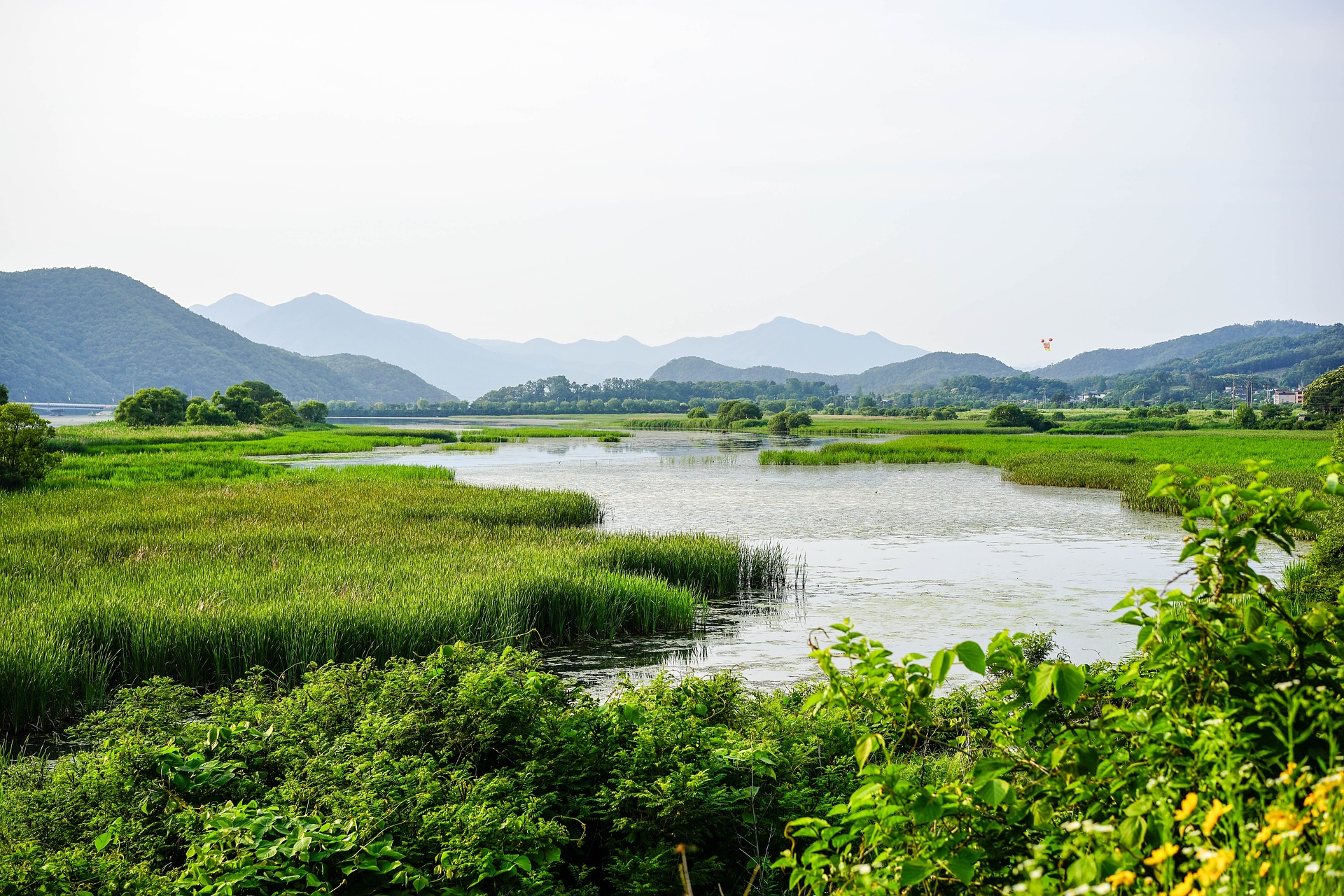
The problem
Biodiversity loss now reads on balance sheets, in permit reviews, and in public trust. Sites without a credible ecological plan stall before they ever break ground.
Declining species and habitat threaten water quality, climate resilience, and public health long before the regulator arrives.
Permitting bodies, lenders, and local stakeholders increasingly expect demonstrable ecological function — not landscaping.
Without a defensible restoration or mitigation strategy, approvals slip, financing tightens, and construction windows close.
Declining species and habitat threaten water quality, climate resilience, and public health long before the regulator arrives.
Permitting bodies, lenders, and local stakeholders increasingly expect demonstrable ecological function — not landscaping.
Without a defensible restoration or mitigation strategy, approvals slip, financing tightens, and construction windows close.
What is actually at stake
Ecological decline rarely announces itself politely. By the time the consequences show up in a permit decision or a press cycle, the cost of inaction has already compounded.
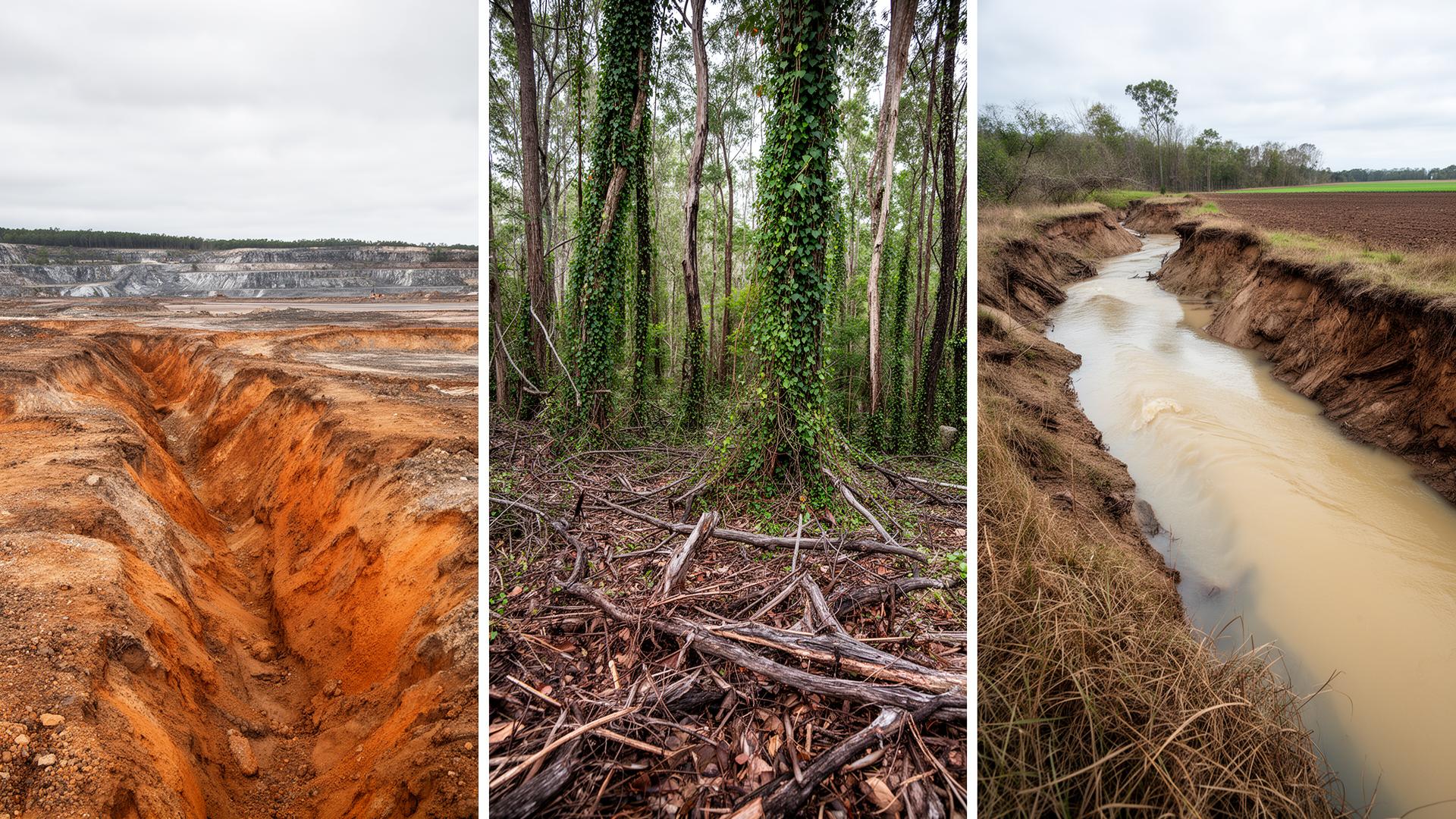
On the ground
Erosion, invasive species, and declining pollinators steadily undermine site function and long-term value.
With stakeholders
Development pushback from communities, advocacy groups, and elected officials hardens around projects without an ecological story.
On the record
Noncompliance fines, PR fallout, and stalled permits turn a quiet ecological problem into a loud institutional one.
The R3 approach
R3 Ecology specialises in ecological restoration and biodiversity planning across urban, peri-urban, and natural contexts. From baselines to blueprints, we help you meet restoration mandates while healing the systems beneath your work.
How it works
Every engagement moves through the same structured sequence calibrated to the site, the system, and the people who steward it.
Read the system
Ecological assessments and baseline surveys — site, species, soil, hydrology, and regulatory frame mapped before a line is drawn.
Plan the long arc
Restoration planning and compliance strategy built with licensed engineers, architects, and ecologists.
Deliver with care
Coordinated execution and fieldwork with specialist crews, clear milestones, and compliance throughout.
ADAPT OVER TIME
Ongoing reporting and adaptive stewardship — ecological and social metrics feed a loop so outcomes hold up over decades.
Results & impact
Restoration projects engineered by R3 are designed to demonstrate function on the ground and on the record. Targets shown below; live project stats replace these as monitoring data matures.
Biodiversity recovery against site baseline within 5 years
Reduction in agricultural runoff from riparian buffer plantings
Long-run return on every dollar invested in restoration
Before / after
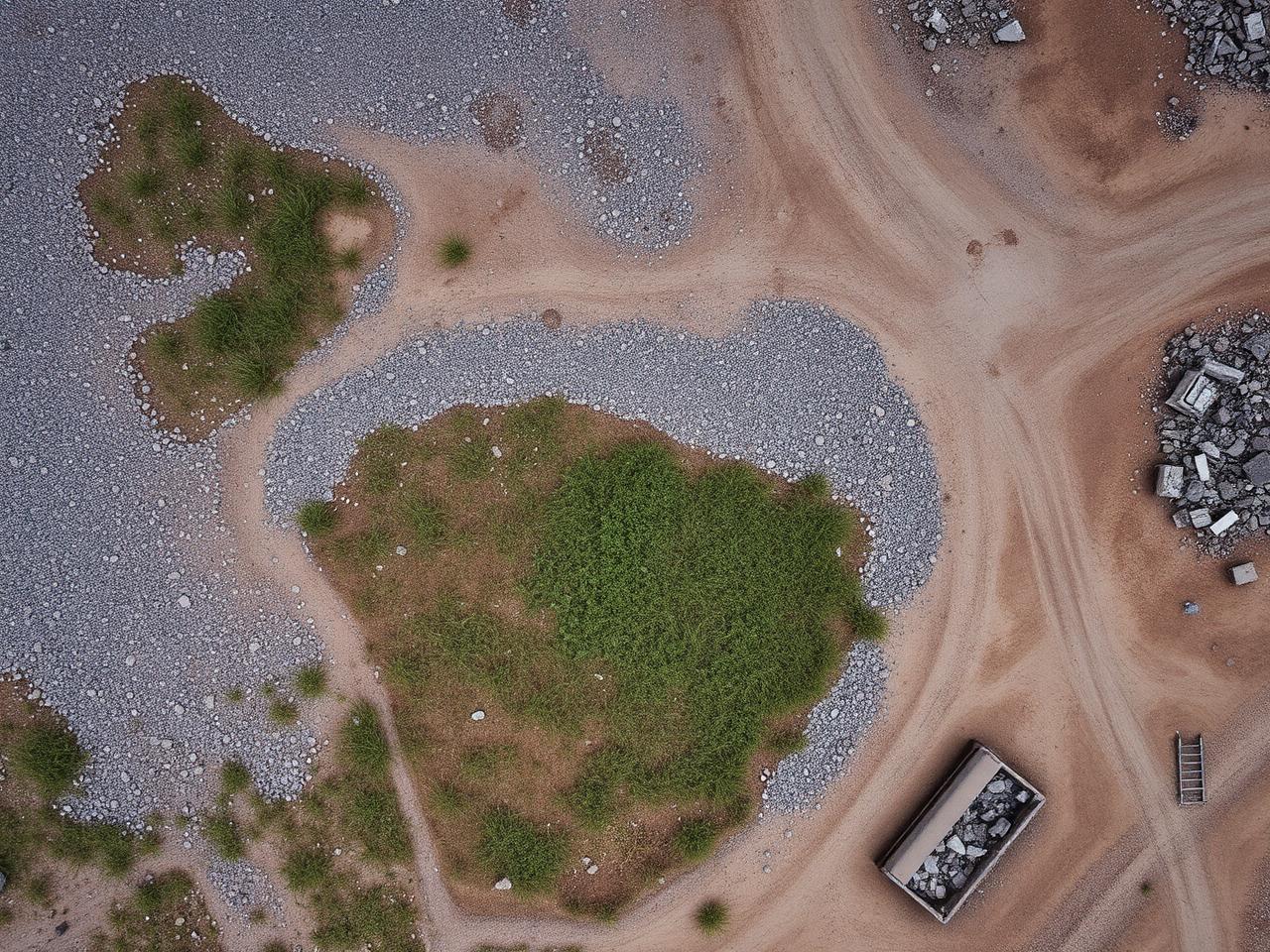
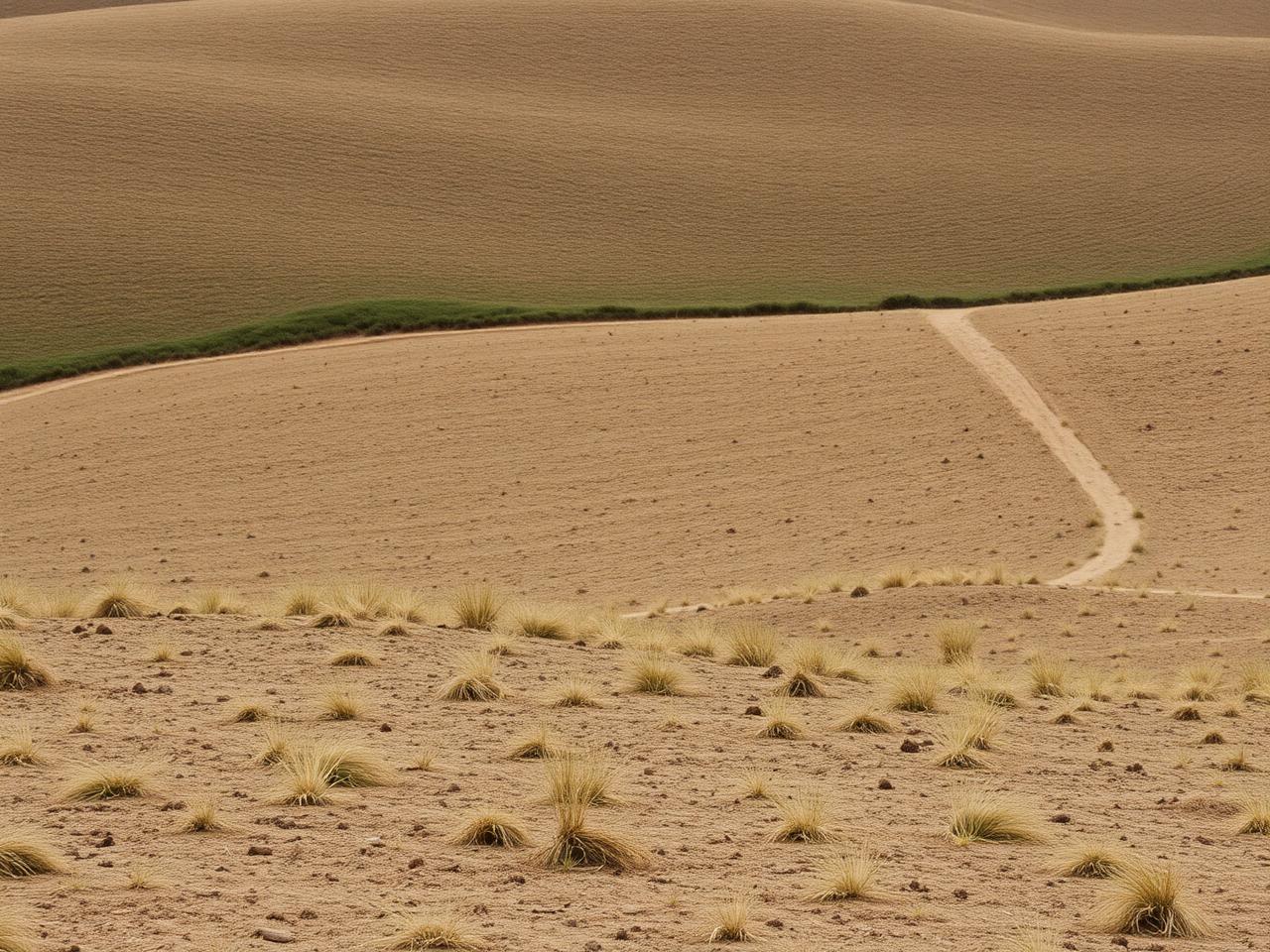
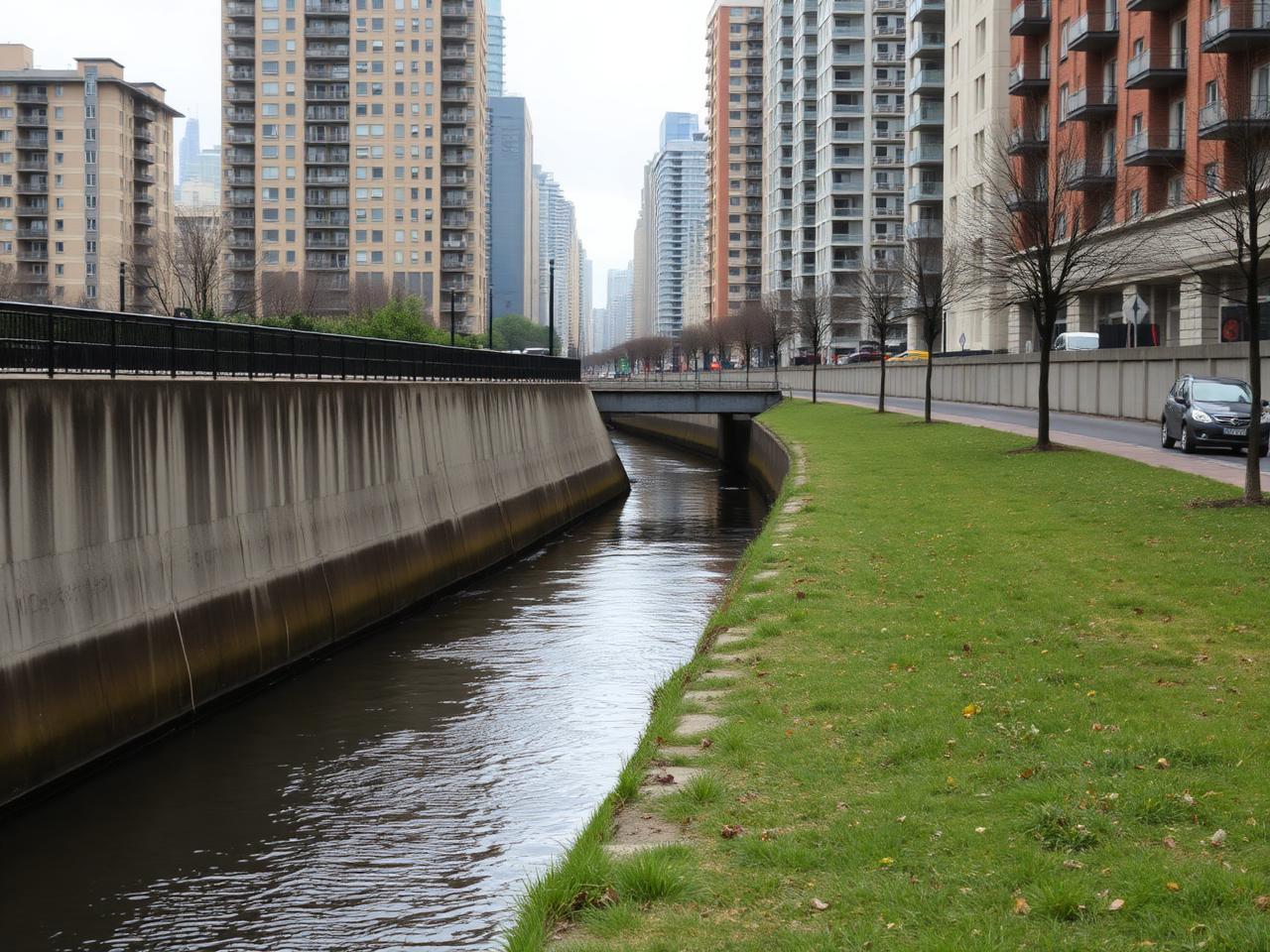
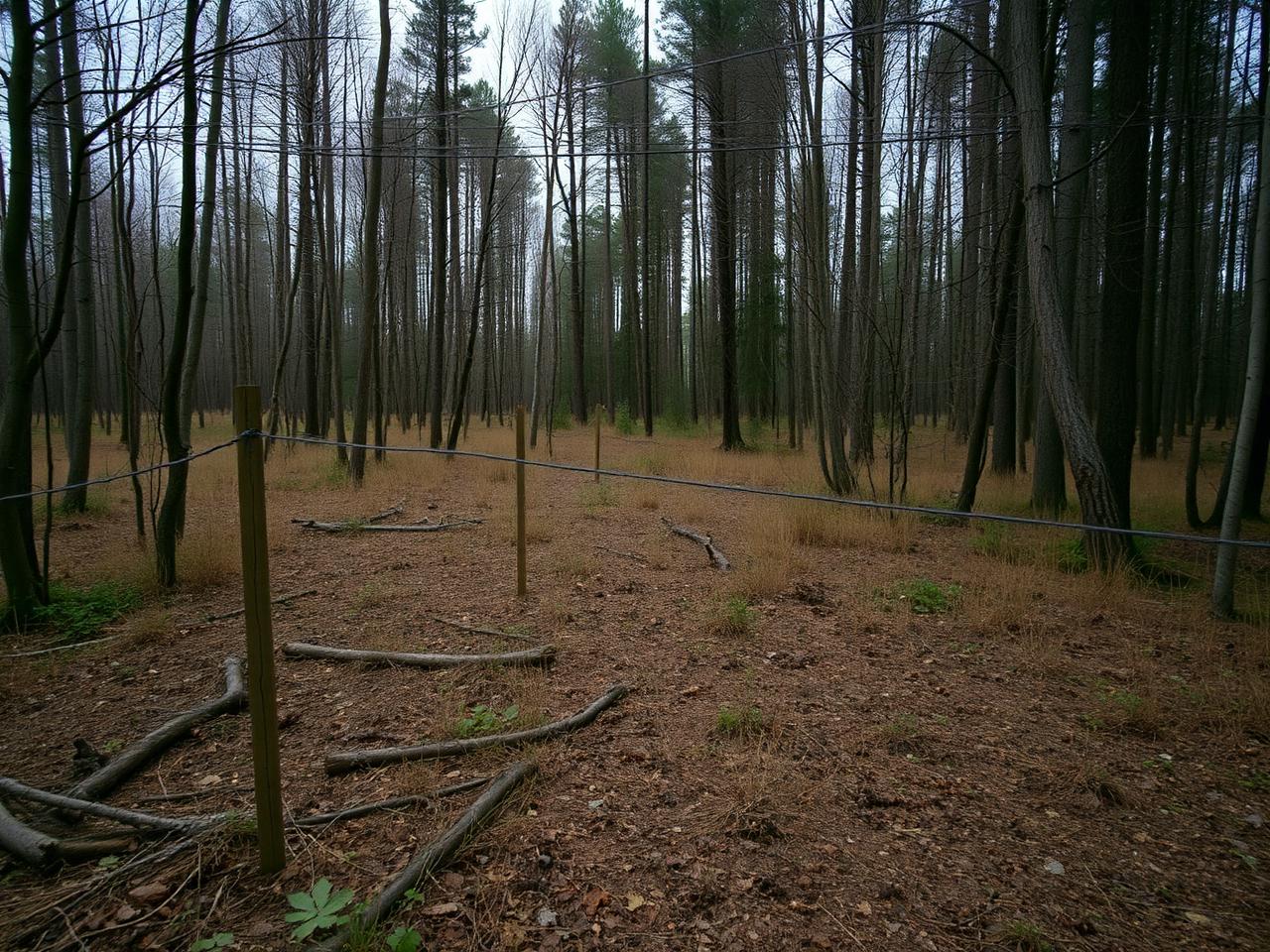
Same framing, same ground — what changes is the system underneath. Four representative arcs across the sites and audiences we work with most.
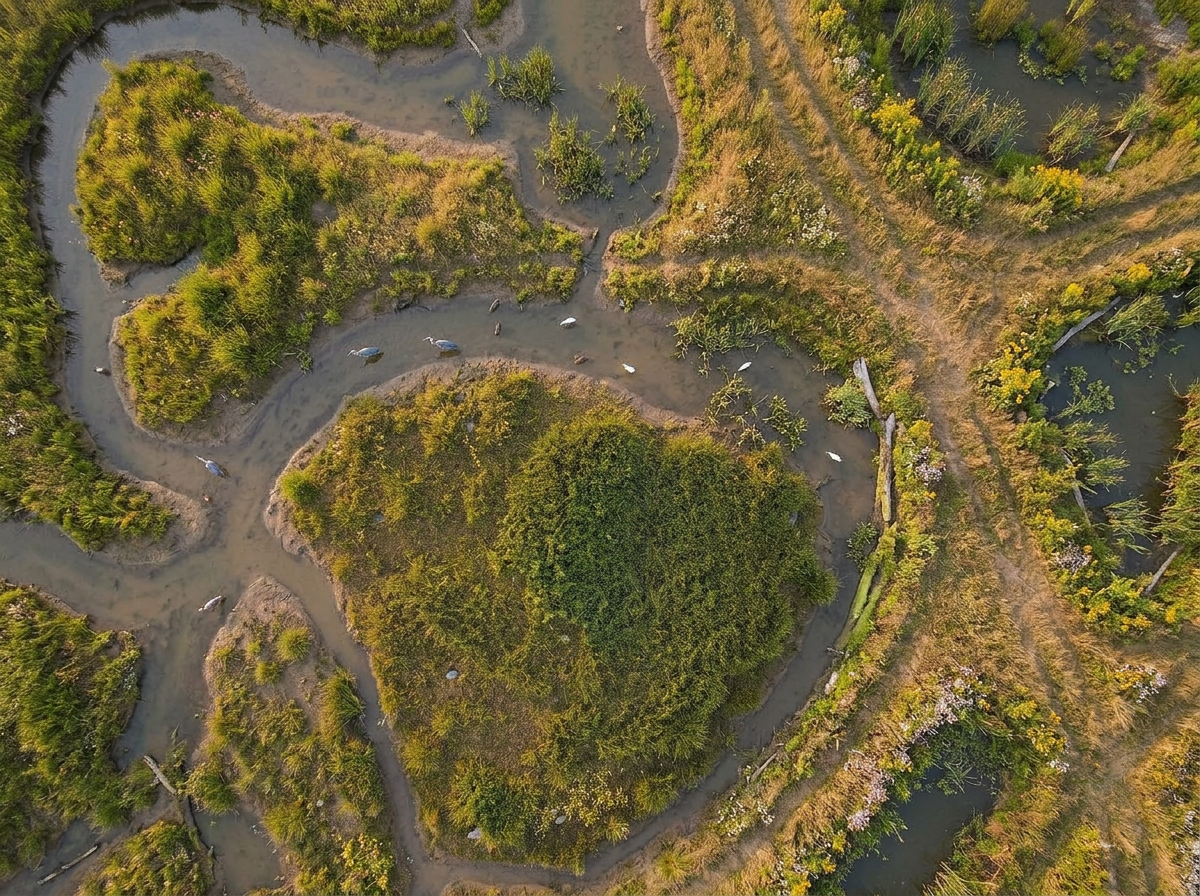 BeforeAfter
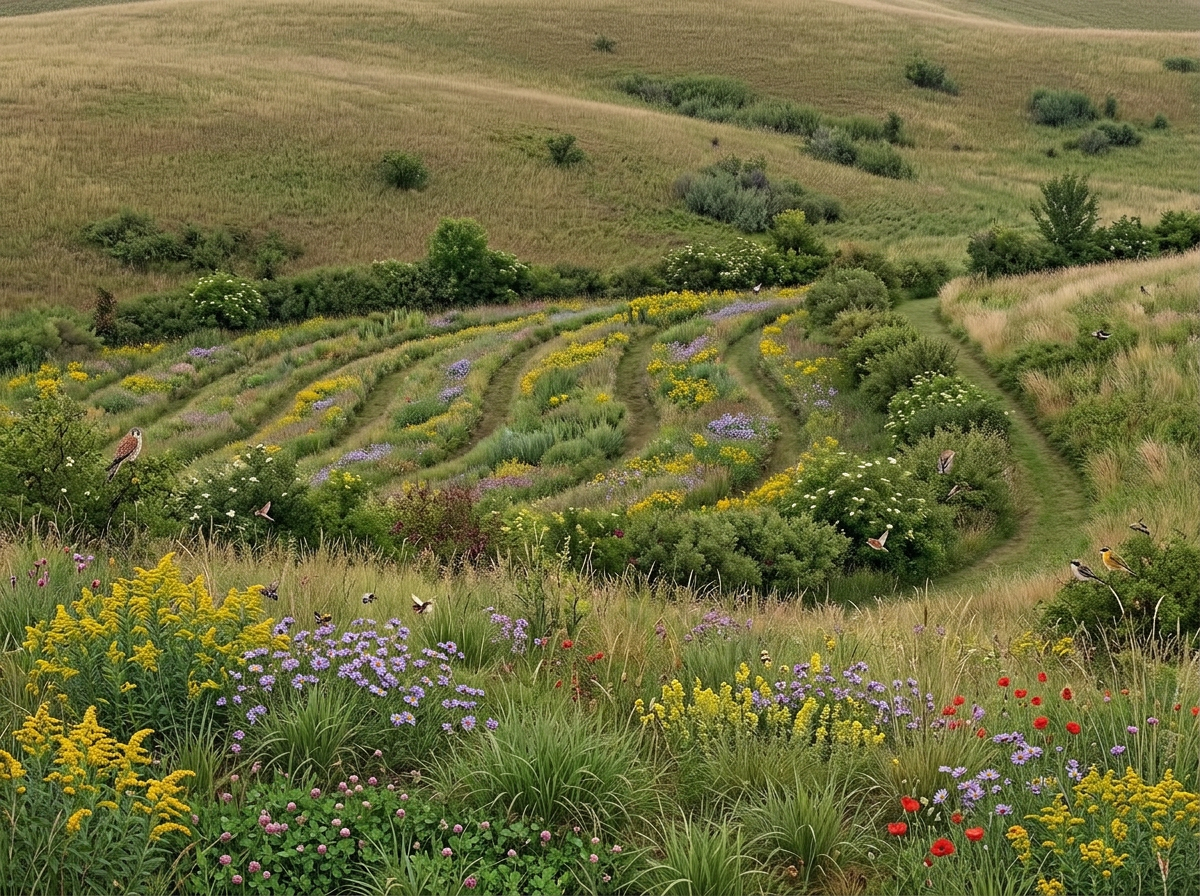 BeforeAfter
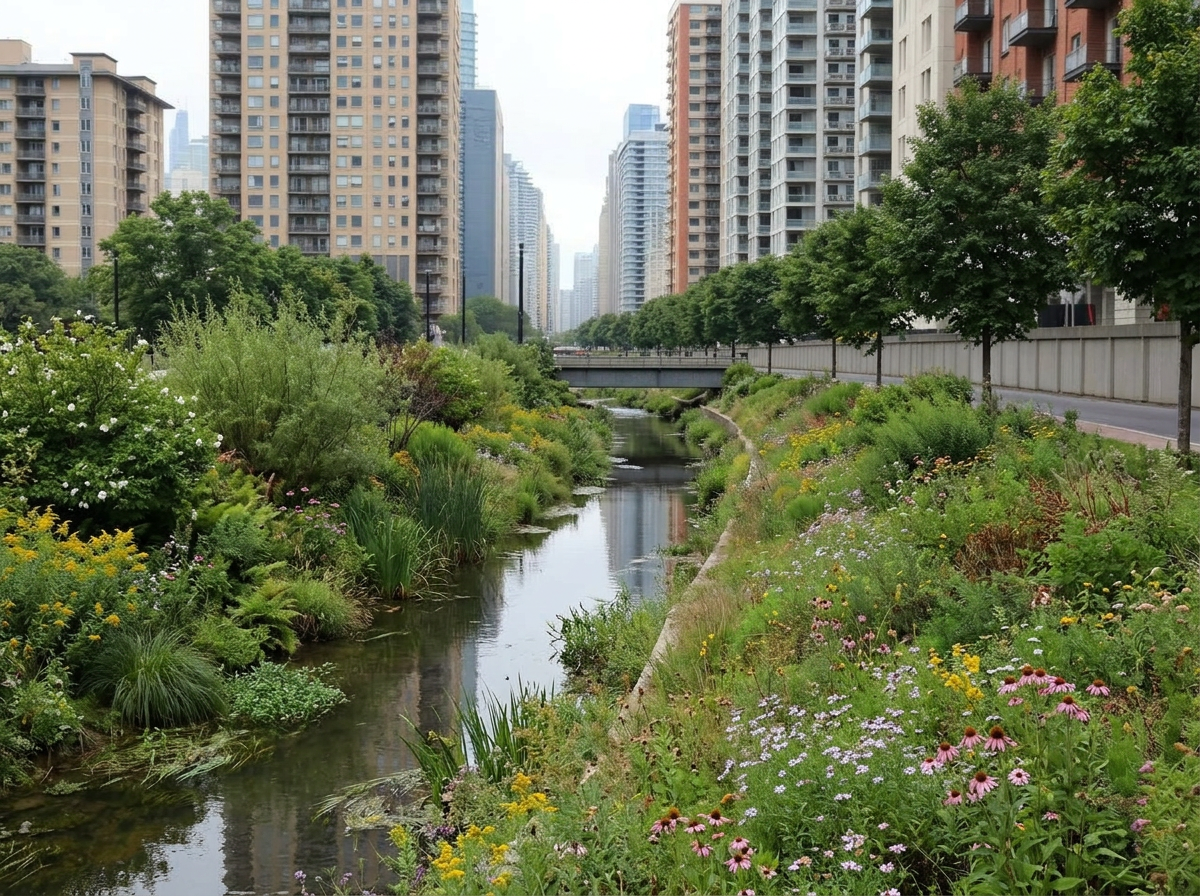 BeforeAfter
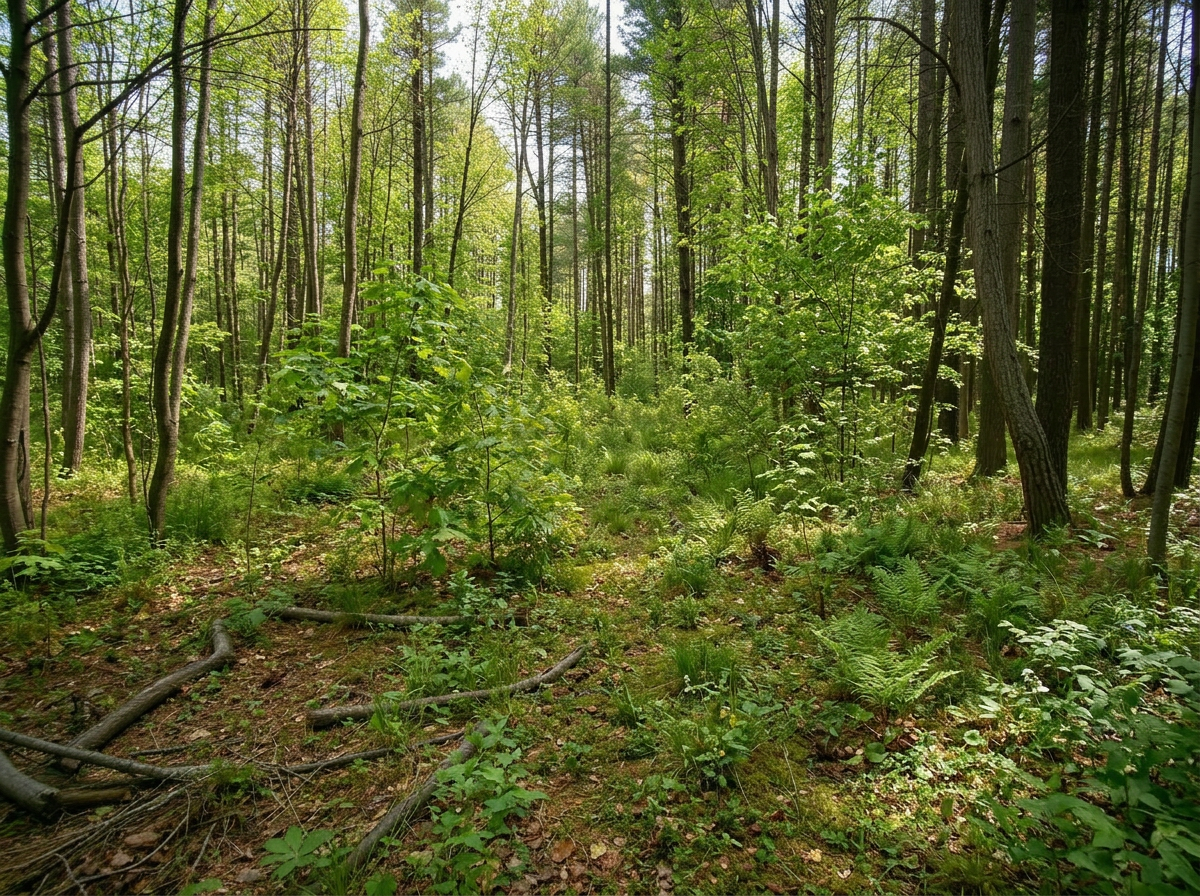 BeforeAfter
Sample outputs
Every restoration engagement produces documentation that holds up to regulator scrutiny, funding applications, and multi-decade stewardship handover.
Species inventories, habitat classifications, and ecological community mapping — the foundation for planning and monitoring.
Phased schedules, resource requirements, and success metrics aligning ecological goals with implementation.
Site-specific strategies covering selection, succession, planting technique, and maintenance.
Topographic mapping, flow modelling, and soil stabilisation recommendations.
Corridor design and habitat features tuned for species movement and biodiversity recovery.
KPIs for biodiversity, carbon sequestration, and water infiltration — built for adaptive management.
Permitting alignment and supporting documentation for review boards and funding bodies.
Carbon-offset baselines, biodiversity-credit eligibility, and grant-ready project narratives.
Why it matters
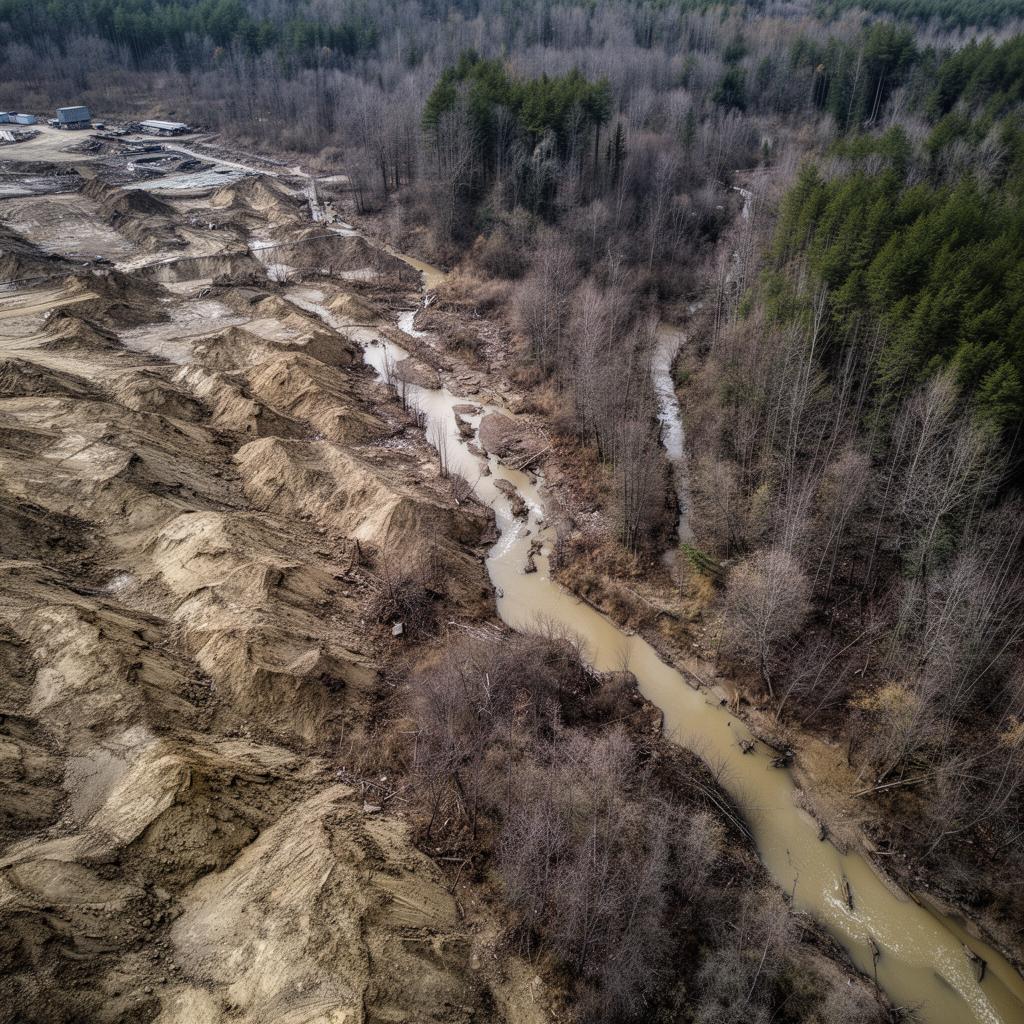
Over 75% of Earth's land surface has been significantly altered by human activity, triggering biodiversity collapse, soil degradation, and disrupted hydrology (IPBES, 2019). In Canada alone, more than 40% of species are in decline, and post-industrial landscapes continue to shed topsoil, pollute freshwater, and fragment habitat.
Done well, restoration re-establishes native plant communities, supports pollinator recovery, and rebuilds watershed integrity. Riparian buffer plantings can reduce agricultural runoff by up to 85% (Dosskey et al., 2010); species-specific root structures stabilise slopes and increase both water infiltration and carbon sequestration.
The economics now match the ecology: every $1 invested in ecosystem restoration yields up to $30 in returns through ecosystem services, land-value gains, and access to carbon and biodiversity-credit markets (UN Decade on Ecosystem Restoration, 2021). Socially, restored landscapes reduce flood and heat risk and reconnect communities to place.
of Earth’s land surface significantly altered by human activity
IPBES, 2019
of Canadian species currently in decline
reduction in agricultural runoff from riparian buffer plantings
Dosskey et al., 2010
return on every $1 invested in ecosystem restoration
UN, 2021
Case study
From extractive footprint to ecological asset.
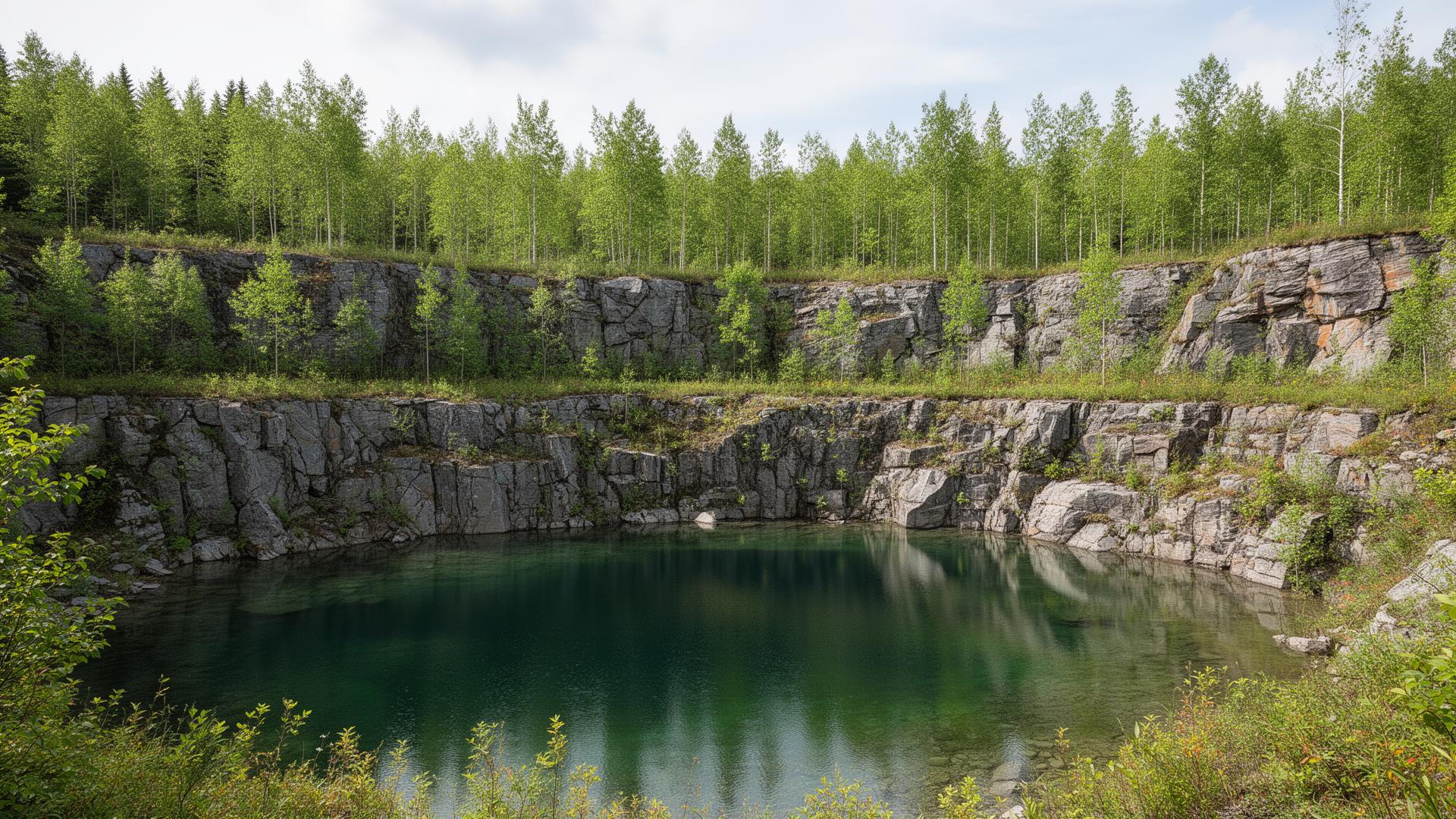
Polycor Inc., a Québec-headquartered natural-stone company, undertook a comprehensive restoration program across its quarry sites — recontouring land to its natural topography, rebuilding soil quality, and reintroducing native species to re-establish local biodiversity.
The program mitigated the environmental footprint of active and retired quarries while opening the sites to eco-tourism, recreation, and community access — increasing land value and creating new revenue streams alongside the core business.
Reference: Polycor, From Stone to Sustainability — A Case Study on the Potential of Ecological Restoration of Quarries.
Quarries entered into an active restoration program across Québec and beyond.
Native flora and fauna brought back to rebuild local biodiversity and ecological function.
Eco-tourism, recreation access, and community programming layered onto restored land.
A first conversation is a scoping call — no slide deck, no obligation. We will tell you honestly whether restoration is the right intervention.